

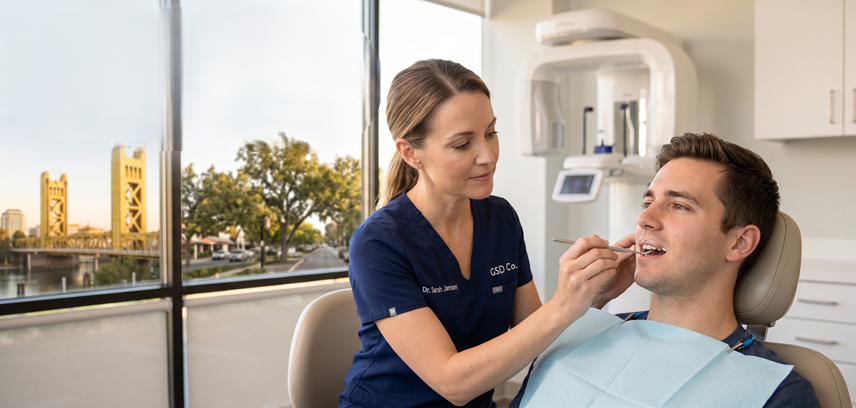
If the mere thought of sitting in a dental chair makes your heart race, you are far from alone. Dental anxiety is the number-one reason millions of adults delay or avoid critical dental care each year. When facing complex treatments like wisdom tooth removal, bone grafting, or pocket reduction therapy, that apprehension can feel overwhelming.
Fortunately, modern dental medicine has transformed what it means to go under the knife. With tailored dental anxiety sedation options, you no longer have to endure white-knuckled appointments. Whether you require an extraction or painless gum surgery, sedation dentistry ensures your treatment is calm, comfortable, and stress-free.
Why Patients Avoid Oral Surgery (and Why You Shouldn’t)
Avoiding necessary periodontal and oral surgeries often allows treatable conditions to become severe:
- Untreated Periodontitis: Gum infections erode bone and tissue, eventually leading to permanent tooth loss.
- Impacted Teeth: Delayed extractions can cause cysts, damage adjacent roots, and trigger recurrent infections.
- Bone Loss: Missing teeth cause jawbone atrophy, complicating future implant placements.
Sedation bridges the gap between fear and recovery, allowing your dental specialist to complete lengthy or complex treatments in fewer visits while you remain completely relaxed.
The Primary Sedation Dentistry Options
Depending on your medical background, treatment plan, and level of anxiety, your provider will recommend one of three primary sedation methods:
1. Nitrous Oxide (“Laughing Gas”)
- Sedation Level: Mild
- How It Works: Inhaled through a small nose mask throughout the appointment.
- The Sensation: A light, floating feeling accompanied by immediate calm and reduced sensitivity.
- Recovery: Wears off within minutes after oxygen administration. You can safely drive yourself home.
2. Oral Conscious Sedation
- Sedation Level: Moderate
- How It Works: A prescribed sedative pill (such as triazolam or diazepam) taken approximately one hour prior to treatment.
- The Sensation: Deep physical relaxation and drowsiness. While you remain awake and able to respond to prompts, time passes quickly, and you will likely remember very little of the procedure.
- Recovery: Requires a designated driver to bring you to and from the clinic.
3. IV Sedation Dentistry (Twilight / Sleep Dentistry)
- Sedation Level: Moderate to Deep
- How It Works: Medications are delivered directly into the bloodstream via an intravenous line, allowing the specialist to adjust sedation levels instantly.
- The Sensation: Often referred to as sleep dentistry for oral surgery, IV sedation induces a dreamlike state. Most patients drift off to sleep or enter an amnesic state, remembering nothing of the sounds, vibrations, or surgical tools.
- Recovery: Requires close monitoring, a mandatory adult escort home, and rest for the remainder of the day.(source)
Comparing Your Sedation Options
| Sedation Method | Depth of Sedation | Best Suited For | Can You Drive Home? | Amnesia Effect |
| Nitrous Oxide | Mild | Mild nervousness, routine cleanings, simple periodontal scaling | Yes | None |
| Oral Conscious | Moderate | Moderate anxiety, single-tooth extractions, mild gum grafting | No (Driver needed) | Mild to Moderate |
| IV Sedation | Moderate to Deep | Severe dental phobia, complex bone grafts, multiple extractions, full-arch surgery | No (Driver needed) | High (Little to no memory) |
Common Periodontal & Oral Procedures Benefiting from Sedation
Sedation isn’t reserved exclusively for full-mouth reconstructions; it provides immense value across several common treatments:
- Pocket Reduction & Osseous Surgery: Thorough disinfection and reshaping of damaged bone pockets around infected teeth.
- Soft Tissue & Gum Grafting: Covering exposed roots and treating severe gum recession comfortably.
- Dental Implant Placement: Ensuring absolute stillness and maximum comfort while setting titanium posts.
- Surgical Extractions: Removing impacted wisdom teeth or broken teeth without pressure or sensory distress.
Preparing for Your Sedation Appointment
To ensure a smooth, worry-free visit, keep these safety guidelines in mind:
- Fast According to Instructions: For IV sedation, you must avoid solid foods and liquids for at least 6 to 8 hours beforehand.
- Disclose Medications & Health History: Always share current prescriptions, supplements, and any existing respiratory or cardiovascular conditions.
- Wear Comfortable Clothing: Dress in loose-fitting layers with sleeves that can roll up easily for blood pressure cuffs and IV access.
- Arrange Reliable Transportation: For oral conscious and IV sedation, have a trusted friend or family member drive you home and assist you during initial recovery.
A Note from Our Team: You’re in Safe, Caring Hands
We know that walking through our doors takes courage when dental visits bring up past trauma, fear of pain, or embarrassment about the condition of your smile. Please know that we never judge. Our goal isn’t just to repair gums or restore teeth—it’s to listen to your concerns and meet you where you are.
Modern sedation allows us to protect your health without forcing you to endure anxiety. If you’ve been putting off treatment, take the first gentle step with a simple consultation. We’ll walk through every option, answer every question, and design a treatment plan that keeps you completely comfortable from start to finish.
Ready for a Stress-Free Dental Experience?
Don’t let fear stand between you and a healthy, pain-free smile.
Schedule your consultation with Golden State Dental today to discuss personalized sedation options with our caring oral health specialists.
