

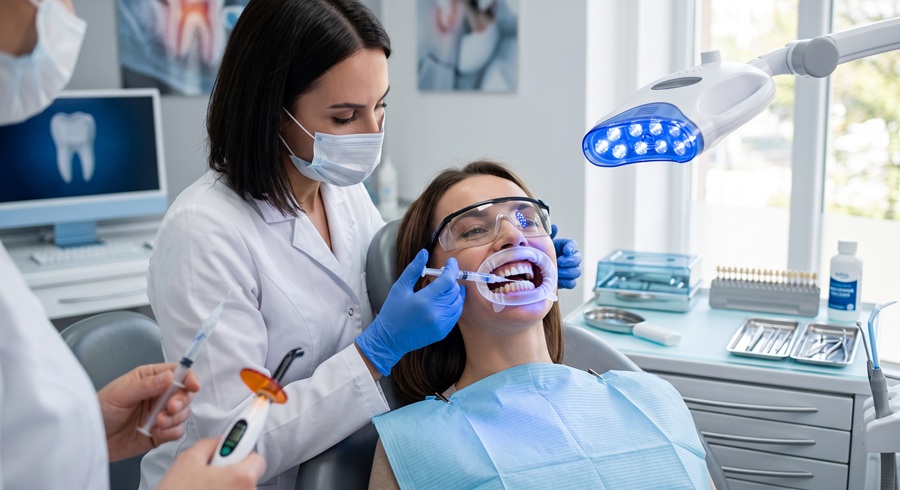
A bright, radiant smile can dramatically boost your confidence, making cosmetic teeth whitening one of the most requested dental procedures worldwide. However, with countless over-the-counter strips, charcoal pastes, and LED kits flooding the market, patients are left wondering: Is cosmetic teeth whitening safe, and what is the real truth about its side effects?
Understanding how whitening agents interact with your enamel, the hidden risks of DIY treatments, and what “long-lasting results” actually mean will help you brighten your smile without damaging your oral health.
What Is Cosmetic Teeth Whitening and How Does It Work?
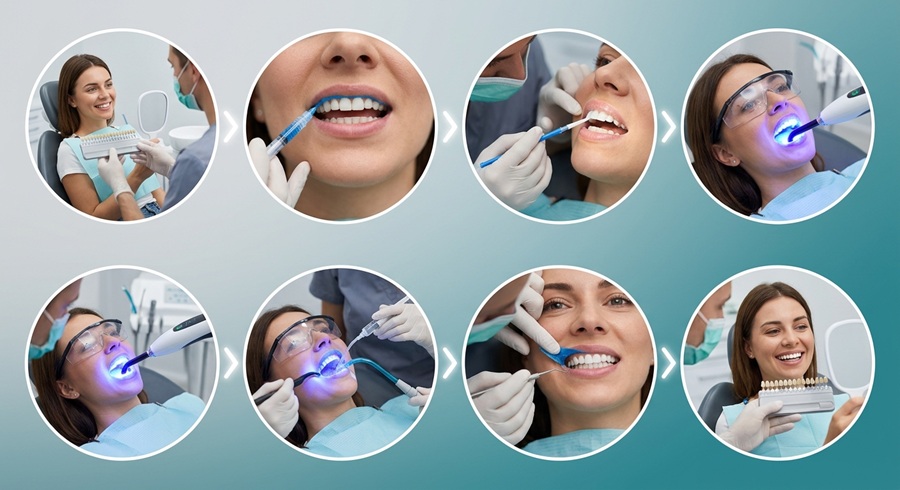
At its core, cosmetic tooth whitening (or dental bleaching) uses active peroxide-based gels—typically hydrogen peroxide or carbamide peroxide—to break down stain molecules trapped within the microscopic pores of your tooth enamel.
While surface whitening toothpastes only scrub away superficial debris, true cosmetic whitening treatment penetrates the enamel to lift deep-set intrinsic and extrinsic discoloration caused by coffee, tea, red wine, tobacco, and natural aging.
The Truth About Teeth Whitening Side Effects and Safety
One of the most searched questions by patients is whether bleaching causes permanent enamel damage. The clinical truth is that professional teeth whitening does not damage healthy enamel when performed correctly. However, improper or unmonitored whitening carries real side effects:
1. Temporary Tooth Sensitivity
As peroxide breaks down stains, it temporarily opens the microscopic tubules in your enamel, exposing the underlying dentin layer to temperature changes. Under professional supervision, desensitizing agents like potassium nitrate and fluoride are applied to block these pathways and prevent sharp pain.
2. Chemical Gum Irritation
High-concentration bleaching gels can burn or irritate soft gum tissue on contact. Custom-fitted dental trays and protective gingival barriers used during in-office treatments prevent the gel from leaking onto your gums.
3. The Hidden Risks of DIY Teeth Whitening
Unregulated over-the-counter kits, abrasive charcoal powders, and acidic DIY hacks pose the highest risk. Overusing store-bought strips or using poorly fitted trays can erode tooth enamel, cause uneven “chalky” spots, and trigger severe gum recession. Furthermore, applying bleaching agents over untreated cavities or inflamed gums can cause excruciating nerve pain. Ensuring your gums are healthy through routine Periodontal Therapy is essential before starting any bleaching regimen.
Professional Whitening vs. Over-the-Counter DIY Kits
| Feature / Factor | In-Office Cosmetic Whitening | Dentist-Supervised Take-Home Kits | Over-the-Counter / DIY Kits |
| Active Strength | High-potency, clinical-grade peroxide | Customized professional-strength gel | Low-strength یا abrasive formulas |
| Speed of Results | Immediate (up to 8 shades in 1 hour) | Gradual (visible results in 7–14 days) | Slow, inconsistent, and superficial |
| Gum & Enamel Safety | Maximum; includes gum barriers & monitoring | High; custom-molded trays prevent gel leaks | Low; one-size trays often burn gums |
| Sensitivity Control | Built-in desensitizers & fluoride care | Tailored gel concentrations for sensitive teeth | None; high risk of unmanaged pain |
Crucial Insights Dentists Want You to Know Before Whitening
-
Restorations Do Not Whiten: Whitening gels only work on natural tooth enamel. Dental crowns, porcelain veneers, and composite fillings will not change color during a bleaching treatment. If you have visible restorations, your dentist will help you plan a uniform shade match.
-
What “Long-Lasting Results” Actually Means: No teeth whitening treatment is permanent. When a product claims long-lasting results, it means the brightness can last anywhere from 6 months to 2 years depending on your diet, smoking habits, and daily oral hygiene.
-
Is Teeth Whitening Covered by Insurance? Because bleaching is classified as an elective aesthetic enhancement, standard policies rarely pay for it. To learn how to navigate allowances or combine aesthetic care with restorative benefits, read our guide on How Cosmetic Dentistry Can Be Covered by Your Insurance.
How to Maintain Your Bright Smile Long-Term
To maximize the lifespan of your cosmetic whitening care, follow these simple clinical rules:
-
Follow the 48-Hour “White Diet”: Immediately after bleaching, your enamel pores remain open for 24 to 48 hours. Avoid dark liquids and foods like coffee, berries, soy sauce, and red wine during this window.
-
Use a Straw for Staining Beverages: Drinking iced coffee, tea, or soda through a straw minimizes direct contact with your front teeth.
-
Brush with Non-Abrasive Fluoride Toothpaste: Avoid harsh scrubbing or gritty charcoal pastes that scratch enamel and make teeth more prone to future staining.
Frequently Asked Questions
1. Is cosmetic teeth whitening safe for sensitive teeth?
Yes, provided it is customized by a dentist. Professionals use lower-concentration carbamide peroxide gels paired with desensitizing agents to brighten sensitive teeth gently without triggering nerve pain.
2. How often can I safely whiten my teeth?
A professional in-office treatment once a year, supplemented by occasional touch-ups with a dentist-approved home kit every 6 months, is safe. Over-bleaching more frequently can dehydrate teeth and cause translucent, brittle edges.
3. Why do my teeth look uneven or spotted after whitening?
White spots (often caused by fluorosis or early enamel demineralization) can temporarily appear brighter immediately after bleaching due to tooth dehydration. This contrast usually blends in within a few days as the teeth rehydrate.
