

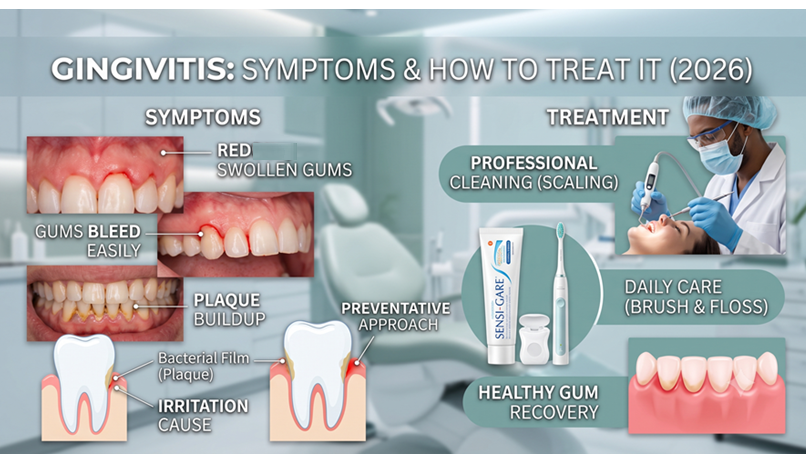
If your gums bleed when you brush, or you have been struggling with persistent bad breath, you might be dealing with gingivitis—the earliest and most common stage of gum disease.
Many people ignore early gingivitis symptoms, assuming minor gum bleeding is normal. However, leaving untreated gingivitis can allow the condition to progress into severe periodontitis, leading to irreversible bone and tooth loss. This comprehensive guide covers everything you need to know about recognizing, treating, and reversing gum inflammation.
What Is Gingivitis and What Causes It?
Gingivitis is a non-destructive form of periodontal disease caused primarily by the accumulation of dental plaque and tartar at the gumline. When plaque is not removed through daily brushing and flossing, the bacteria harden into calculus, irritating the soft gum tissues and triggering chronic inflammation.
Common Causes and Risk Factors:
-
Inadequate Oral Hygiene: Neglecting proper brushing and flossing routines allows plaque to multiply rapidly.
-
Hormonal Fluctuations: Hormonal changes (such as during pregnancy or menopause) can increase gum sensitivity and make tissues more vulnerable to inflammation.
-
Tobacco Use: Smoking or using tobacco products impairs immune responses, restricting blood flow to the gums and making it harder for tissues to heal.
Early and Advanced Gingivitis Symptoms
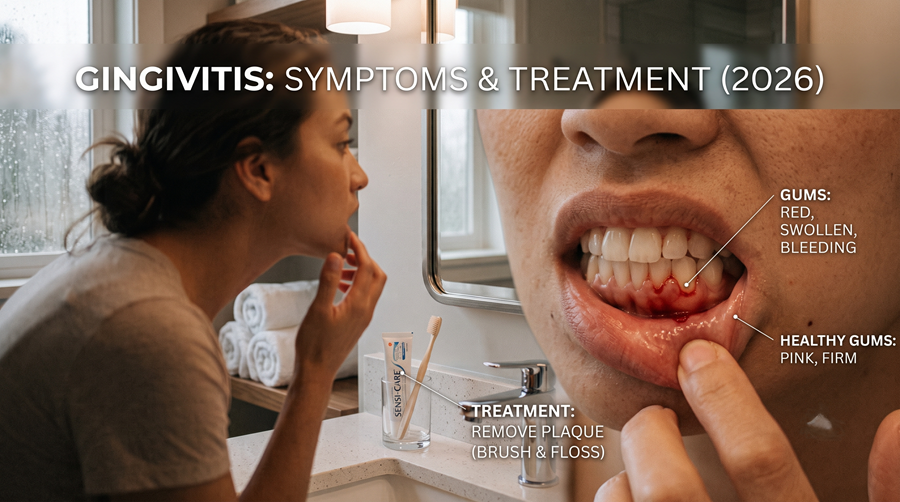
Recognizing the signs of gum disease early is crucial for a full recovery. Look out for these key indicators:
-
Bleeding Gums: Minor bleeding while brushing or flossing is often the earliest red flag.
-
Red, Swollen, or Tender Gums: Healthy gums are firm and pale pink; inflamed gums appear dark red, puffy, and sensitive.
-
Chronic Bad Breath (Halitosis): Odor-producing bacteria thriving in deep gum pockets cause persistent bad breath that mouthwash alone cannot fix.
-
Signs of Severe Gingivitis: Receding gum lines, tender tongue soreness, or pus discharge around the gumline indicate an advanced infection that requires immediate evaluation by a skilled periodontist.
How to Treat and Get Rid of Gingivitis
Is gingivitis reversible? Yes! Unlike advanced periodontitis, early-stage gingivitis is completely reversible with a combination of optimized home care and professional dental interventions.
1. Professional Treatment Options
-
Scaling and Root Planing: For stubborn buildup, a professional deep-cleaning procedure removes plaque and hardened tartar from beneath the gumline, smoothing root surfaces to help gums reattach.
-
Targeted Antimicrobial / Antibiotic Therapies: In specific cases, dentists may prescribe antiseptic mouthwashes or targeted antibiotic treatments to eliminate aggressive oral bacteria and reduce acute inflammation.
2. Daily At-Home Care Strategies
-
Proper Brushing Technique: Use a soft-bristled toothbrush and fluoride toothpaste, brushing gently at a 45-degree angle toward the gumline.
-
Daily Flossing: Flossing removes trapped food particles and plaque from between teeth where toothbrushes cannot reach.
-
Antiseptic Rinses: Incorporating a therapeutic, alcohol-free antiseptic mouthwash helps reduce overall bacterial load when used alongside daily brushing and flossing.
Exploring the Link Between Gingivitis and Systemic Health
How Gingivitis Can Affect Your Body
Connection to Heart Disease
Research suggests a link between gum disease and heart health. The inflammation from gingivitis can contribute to cardiovascular problems, emphasizing the need for diligent oral care.
Link with Diabetes
Diabetes and gum disease share a bidirectional relationship. Gingivitis can make blood sugar levels harder to control, while diabetes can increase the risk of periodontal disease due to impaired healing.
Research Insights
Recent Studies on Gingivitis and Systemic Conditions
Emerging studies highlight the systemic implications of gingivitis. Investigations continue to reveal how this common oral condition affects broader health, guiding future prevention and treatment strategies.
FAQs
1. How long does it take to get rid of gingivitis?
With diligent daily oral hygiene and professional cleanings, mild gingivitis symptoms typically improve and resolve within 10 to 14 days.
2. Can mouthwash alone cure gingivitis?
No. While mouthwash helps reduce oral bacteria, it cannot wash away hardened tartar. Mechanical removal through brushing, flossing, and professional cleanings is required.
3. What happens if gingivitis is left untreated?
Untreated gingivitis eventually progresses into periodontitis, destroying the supporting jawbone and increasing your risk of systemic health issues like heart disease and diabetes complications.
Protect Your Gums and Restore Your Smile
Do not let minor gum bleeding turn into a major dental emergency. Taking action at the first sign of inflammation ensures your smile stays healthy, strong, and bright.
