


Dental implants are a revolutionary solution for tooth replacement, offering a durable and aesthetically pleasing alternative to traditional dentures. As a trusted authority in oral surgery and prosthodontics, Golden State Dental Co provides expert insights into these advanced procedures.
Types of Dental Implants
Choosing the Right Dental Implant
Importance of Proper Assessment: Selecting the right dental implant requires a comprehensive dental assessment. Factors such as bone density, gum health, and overall oral condition must be evaluated to ensure the best results. Considerations for Selection: Choosing the appropriate type of implant involves understanding the patient’s unique needs and the specific benefits each implant offers. This personalized approach is crucial for long-term satisfaction and functionality.
Primary Categories of Dental Implants
Endosteal Implants
Overview and Applications: Endosteal implants are the most common type, inserted directly into the jawbone. They are ideal for patients with adequate bone height and density. Ideal Candidates: Those with healthy gums and sufficient jawbone are perfect candidates. Proper osseointegration, where the implant fuses with the bone, ensures stability. Long-term Benefits: Endosteal implants provide a strong foundation for dental prostheses, such as implant-supported dentures, and can last a lifetime with proper care.
Subperiosteal Implants
Structure and Suitability: Subperiosteal implants rest on top of the jawbone but under the gum tissue, suitable for patients with minimal bone height. Use Cases: These are often used when patients cannot undergo bone grafting to rebuild bone density. Advantages and Drawbacks: While they offer a quicker solution, they may not provide the same longevity as endosteal implants.
Advanced Implant Types
Zirconia Implants
Composition and Advantages: Made from a ceramic material, zirconia implants are biocompatible and resistant to corrosion, offering a metal-free alternative. Comparison with Titanium Implants: Zirconia implants have aesthetic advantages, especially for patients with thin gums, while titanium implants are known for their durability.
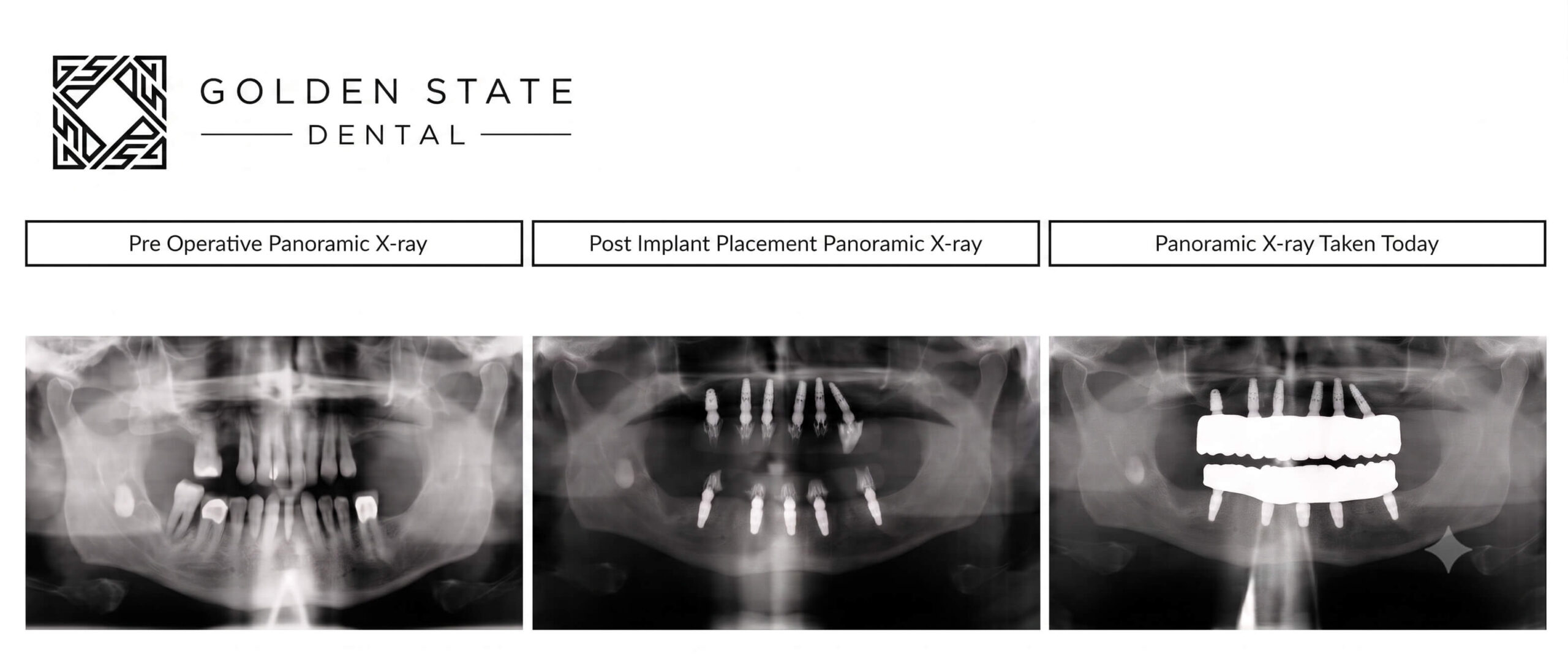
All-on-4 Implants
Concept and Procedure: The All-on-4 technique uses four strategically placed endosteal implants to support a full arch of teeth, providing immediate function and aesthetics. Patient Candidacy: Ideal for patients with significant tooth loss and those seeking a quick restoration without extensive bone grafting. Success Rates and Longevity: With proper care, All-on-4 implants have high success rates and can last for decades.
Mini Dental Implants
Definition and Utility: Mini implants are smaller in diameter, often used for stabilizing lower dentures and in areas with narrow bone structures. Practical Scenarios: They are less invasive and can be a cost-effective alternative for specific applications. Potential Limitations: Their smaller size may limit their use to certain prosthetic applications and may not support as much load as standard implants.
Implant Material Innovations
Titanium vs. Zirconia
Material Properties: Titanium is renowned for its strength and biocompatibility, while zirconia offers superior aesthetics and is metal-free. Compatibility and Aesthetic Concerns: Titanium implants may cause grayish gum lines in thin gums, whereas zirconia blends seamlessly with natural teeth.
The Role of Biocompatibility
Osseointegration Process: Successful osseointegration is crucial for implant stability, with titanium and zirconia both supporting this process effectively. Impact on Longevity: Biocompatibility ensures that implants are accepted by the body, reducing the risk of rejection and enhancing longevity.
The Implantation Process
Pre-implant Assessment
Diagnostic Tools: Advanced imaging and diagnostic tools help in crafting personalized treatment plans tailored to each patient’s needs. Personalized Treatment Plans: Individualized plans ensure that all patient-specific factors are considered, optimizing outcomes.
Surgical Procedure
Step-by-Step Breakdown: The process involves precise placement of the implant, followed by a healing period to allow osseointegration. Recovery and Aftercare: Post-surgical care is vital, including regular check-ups and maintaining oral hygiene to ensure long-term success.
Enhancements in Implant Dentistry
Innovations in Prosthodontics
Implant-supported Bridges and Dentures: These innovations enhance oral functionality and improve quality of life for patients. Influence on Oral Functionality: With improved stability and comfort, implant-supported prostheses allow for more natural chewing and speaking.
Future of Dental Implants
Emerging Technologies: Developments in materials and techniques continue to evolve, offering more options and better outcomes. Predicted Trends in Implantology: The future points to greater customization and less invasive procedures, broadening access to quality dental care.
Cost and Accessibility
Financial Considerations
Cost Breakdown and Insurance: Understanding the cost components, including surgery, materials, and aftercare, is essential. Many insurance plans now offer partial coverage for dental implants. Financing Options and Discounts: Flexible payment plans and discounts can make implants accessible to a wider patient base.
Access to Quality Care

Finding Qualified Implant Dentists: Choosing an experienced implant dentist, such as those at Golden State Dental Co, is crucial for successful outcomes. Importance of Comprehensive Consultations: Detailed consultations ensure that all patient concerns are addressed, leading to more tailored and effective treatments.
FAQs
- What are the main types of dental implants? The primary types are endosteal and subperiosteal implants, with advanced options like zirconia, All-on-4, and mini implants.
- How does osseointegration affect implant longevity? Osseointegration is the process where the implant fuses with the jawbone, crucial for stability and long-term success.
- What is the cost range for dental implants? Costs vary based on the type of implant, materials used, and the complexity of the procedure. Insurance and financing options can help manage expenses.
- How do I choose the right implant dentist? Look for a licensed and experienced implant dentist with a strong reputation, like those at Golden State Dental Co.
- Are there any innovations in implant materials? Yes, innovations include the use of zirconia and titanium, each offering unique benefits in terms of strength, biocompatibility, and aesthetics.
