

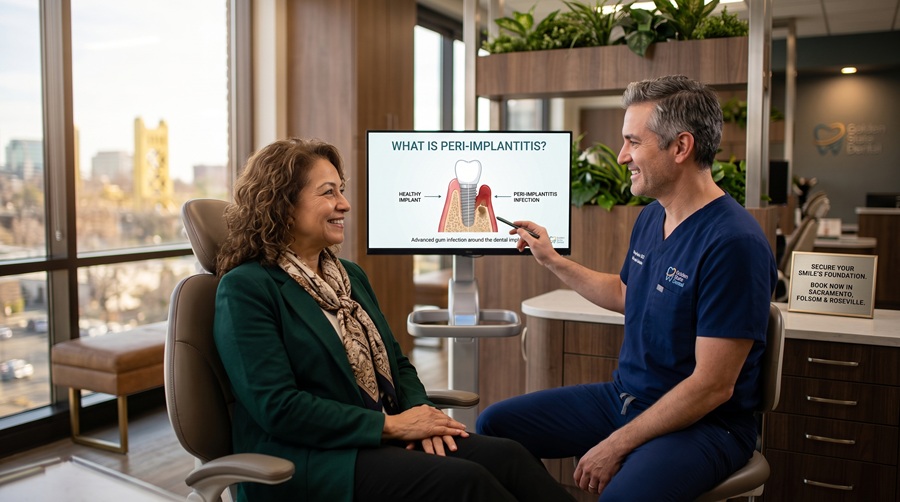
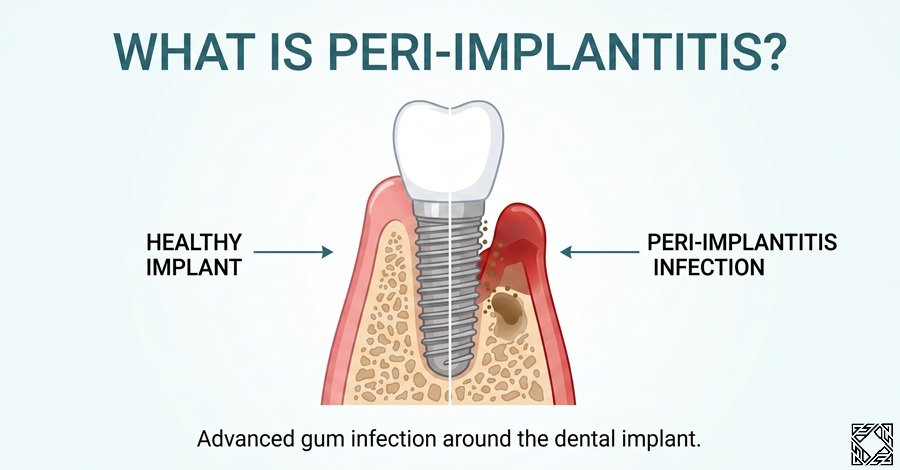
Peri-implantitis is a serious inflammatory condition that affects the tissues surrounding dental implants, potentially leading to implant failure if left untreated. As a leading authority in dental health, Golden State Dental Co. emphasizes the importance of early detection and advanced treatment options to manage this condition effectively.
Future Directions and Innovations in Peri-Implantitis Management
Advances in Research and Technology
Recent advances in peri-implantitis treatment focus on early diagnosis and preventive strategies. Researchers are exploring biomarkers for more accurate detection of peri-implantitis causes and progression. Enhanced imaging technologies, such as 3D cone-beam CT scans, offer precise visualization of bone loss around implants, aiding in timely intervention.
Moreover, the integration of artificial intelligence in dental practices is improving diagnostic accuracy. AI algorithms analyze patterns of dental implant infection symptoms, providing clinicians with predictive analytics to prevent implant failure.
Additionally, innovations in biomaterials are enhancing osseointegration, the process by which the implant integrates with the jawbone. New surface treatments and coatings are being developed to promote better integration, reducing the risk of implant-related complications.
Innovative Treatment Approaches
Among the cutting-edge treatments, laser therapy for peri-implantitis has shown promising results. Lasers effectively decontaminate the implant surface while preserving surrounding tissues, offering a minimally invasive option for implant infection recovery.
Antibiotics for dental implants are also being tailored to target specific bacteria involved in gum disease around implants. This precision medicine approach minimizes side effects and enhances treatment efficacy.
For advanced cases, surgical intervention for implants remains a critical option. Techniques such as guided bone regeneration and soft tissue grafting restore lost structures, supporting long-term peri-implant tissue health.
Interdisciplinary Care Models
The management of peri-implantitis is increasingly adopting interdisciplinary care models. Collaboration between periodontists, prosthodontists, and hygienists ensures a comprehensive approach to dental implant maintenance and dental plaque management.
These care models emphasize regular maintenance visits for professional cleaning and patient education on effective oral hygiene practices. This proactive approach significantly reduces the risk of implant surface decontamination issues.
Moreover, personalized treatment plans are developed for patients with systemic conditions like diabetes, which can exacerbate peri-implant tissue health challenges. This holistic approach not only addresses the implant but also considers overall health factors, ensuring successful implant failure prevention.
Role of Patient Education
Educating patients about the importance of maintaining oral hygiene and recognizing early signs of infection is crucial. Awareness campaigns and workshops can empower patients to seek timely interventions, ultimately improving outcomes.
Golden State Dental Co. recommends regular follow-ups and continuous education as part of a robust peri-implantitis management strategy. By staying informed, patients can actively participate in their treatment journey, making informed decisions about their dental health.
Conclusion
In conclusion, the future of peri-implantitis management lies in advanced technology, innovative treatment options, and collaborative care models. By adopting these strategies, dental professionals can enhance patient outcomes and ensure the longevity of dental implants.
FAQs
What are the common symptoms of peri-implantitis?
Peri-implantitis symptoms often include redness, swelling, bleeding during brushing, and a foul taste due to pus discharge. If you notice these signs, consult a dental professional immediately.
How is peri-implantitis diagnosed?
Diagnosis involves clinical examination, probing to assess gum health, and radiographic imaging to detect bone loss. Early detection is key to effective treatment.
Can peri-implantitis be reversed?
Early-stage peri-implantitis can often be managed with non-surgical treatments, but advanced cases may require surgical intervention. Prompt treatment is essential to prevent further complications.
How can I prevent peri-implantitis?
Regular dental check-ups, proper oral hygiene, and lifestyle modifications such as quitting smoking can significantly reduce the risk of peri-implantitis.
Are there any new treatments for peri-implantitis?
Yes, recent advances include laser therapy, targeted antibiotics, and innovative surgical techniques. These treatments are continually evolving to improve patient outcomes.
