

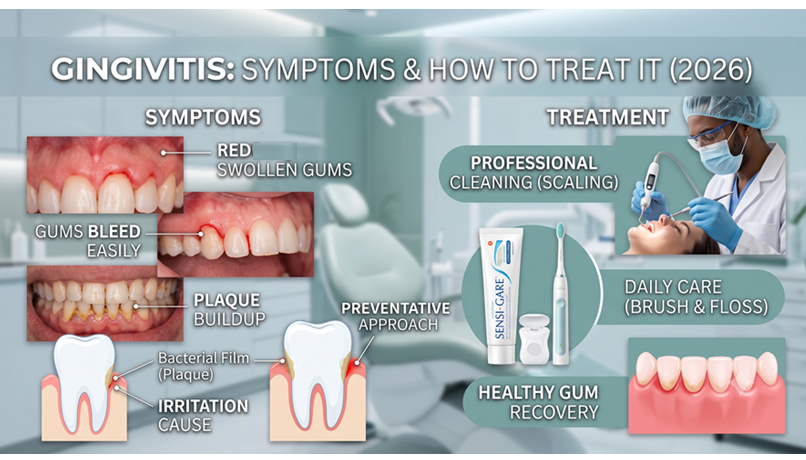
Gingivitis, a common and often overlooked gum disease, may be silently damaging your health by leading to more severe periodontal disease if not addressed promptly. This inflammation of the gums can escalate, impacting not only your oral health but also your overall well-being.
The Hidden Symptoms of Gingivitis
Subtle Signs You Shouldn’t Ignore
Minor Bleeding While Brushing
Bleeding gums during toothbrushing is a subtle yet critical indicator of gingivitis. This occurs when plaque and tartar accumulate at the gumline, causing inflammation. If you notice blood in your saliva, it’s essential to consult a dental professional immediately.
Persistent Bad Breath
Chronic bad breath, or halitosis, can signify the presence of oral bacteria thriving in gingival pockets. These bacteria produce odorous compounds, making it crucial to maintain excellent dental hygiene and seek regular dentist visits to prevent further complications.
How Gingivitis Can Escalate Without Warning
Transition from Gingivitis to Periodontitis
If left untreated, gingivitis can progress to periodontitis, a more severe form of gum disease. Periodontitis involves the breakdown of gum tissues and can lead to gum recession and tooth loss. Early intervention is key to preventing this escalation. Source: NCBI.
Impact on Overall Health
Gingivitis is not just an oral health issue; it can impact systemic health. The inflammation associated with gingivitis can trigger an immune response that may affect other parts of the body, underscoring the importance of prompt treatment.
Understanding the Causes and Risk Factors
Major Causes of Gingivitis
Plaque and Tartar Buildup
The primary cause of gingivitis is the accumulation of plaque, a sticky film of oral bacteria. If not removed through regular brushing and flossing, plaque hardens into tartar, exacerbating gum inflammation and leading to gingival pockets.
Hormonal Changes
Hormonal fluctuations, such as those occurring during pregnancy or menopause, can increase gum sensitivity and the risk of developing gingivitis. Women should be particularly vigilant about their dental care during these periods.
Identifying Risk Groups
Smokers and Tobacco Users
Smoking and the use of tobacco products significantly compromise oral health and increase the risk of gum disease. These habits impair the immune response, making it harder for gums to recover from inflammation.
Those with Poor Dental Care Practices
Neglecting regular toothbrushing, flossing, and dentist visits can lead to unchecked plaque buildup, making individuals more susceptible to gingivitis. Consistent dental cleaning routines are vital for prevention.
Effective Solutions and Preventative Measures
Daily Oral Care Tips
Proper Brushing Technique
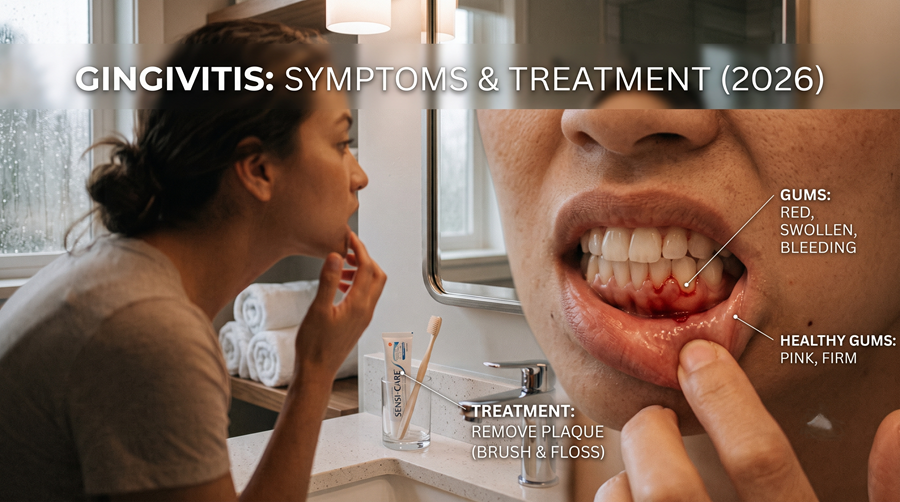
Adequate toothbrushing involves using a soft-bristled toothbrush and fluoride toothpaste to gently clean all surfaces of the teeth. This helps remove plaque and prevent tartar formation.
Importance of Flossing
Flossing daily is crucial for removing debris and plaque from areas that toothbrushes cannot reach, such as between teeth and under the gumline. This practice is essential for preventing gingivitis.
Professional Treatment Options
Scaling and Root Planing
For advanced gingivitis, professional dental cleaning procedures like scaling and root planing are recommended. These deep-cleaning methods remove tartar from below the gumline, promoting gum healing.
Antibiotic Therapies
In some cases, dentists may prescribe antibiotics to combat oral bacteria and reduce inflammation. This approach helps manage infection and supports the body’s natural healing processes.
Exploring the Link Between Gingivitis and Systemic Health
How Gingivitis Can Affect Your Body
Connection to Heart Disease
Research suggests a link between gum disease and heart health. The inflammation from gingivitis can contribute to cardiovascular problems, emphasizing the need for diligent oral care.
Link with Diabetes
Diabetes and gum disease share a bidirectional relationship. Gingivitis can make blood sugar levels harder to control, while diabetes can increase the risk of periodontal disease due to impaired healing.
Research Insights
Recent Studies on Gingivitis and Systemic Conditions
Emerging studies highlight the systemic implications of gingivitis. Investigations continue to reveal how this common oral condition affects broader health, guiding future prevention and treatment strategies.
Future Directions in Gingivitis Research and Treatment
Innovative Treatment Approaches
Genetic Testing for Risk Assessment
Advancements in genetic testing allow for the identification of individuals at higher risk for gingivitis. This personalized approach can lead to targeted preventative measures and treatments.
Development of New Oral Care Products
Ongoing research is leading to the creation of new oral care products specifically designed to combat gum disease. These products aim to enhance dental hygiene and reduce inflammation.
Embracing Technological Advances
The Role of AI in Early Detection
Artificial intelligence is being harnessed to detect early signs of gingivitis. AI-driven tools can analyze dental images, providing early warnings and improving treatment outcomes.
Tele-dentistry and Remote Consultations
Tele-dentistry offers remote consultations, making it easier for patients to access professional advice and monitor their oral health. This technology is a valuable tool in ongoing dental care management.
FAQs
How can I tell if I have gingivitis? Look for symptoms like bleeding gums, bad breath, and gum swelling. Regular dental check-ups are vital for accurate diagnosis.
Is gingivitis reversible? Yes, with proper oral hygiene and professional treatment, gingivitis is reversible in its early stages.
What happens if gingivitis is left untreated? Untreated gingivitis can progress to periodontitis, leading to tooth loss and systemic health issues.
Can mouthwash help treat gingivitis? Antiseptic mouthwash can reduce oral bacteria, but it should be used alongside brushing and flossing for best results.
Why is dental cleaning important for preventing gingivitis? Professional cleaning removes tartar and plaque that can’t be eliminated by brushing alone, preventing gum disease.
