


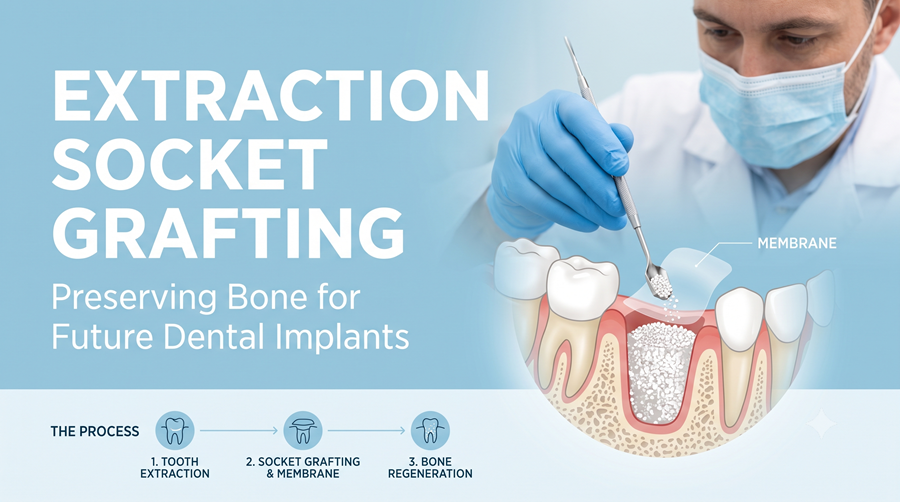
Extraction socket grafting is a transformative dental procedure that enhances long-term bone health by preserving the alveolar ridge following tooth extraction, thereby optimizing conditions for future dental implants and restorations. This innovative approach prevents bone loss and promotes osseointegration, crucial for successful dental implants.
Innovative Approaches to Extraction Socket Grafting
Advancements in dental bone grafting techniques have revolutionized socket preservation strategies. By employing autografts, allografts, or xenografts, dental professionals can effectively manage the post-extraction socket to encourage bone regeneration. These graft materials are selected based on patient-specific needs and desired outcomes, ensuring tailored solutions for optimal oral health.
Autografts, harvested from the patient’s own body, offer the advantage of biocompatibility and reduced risk of rejection. Meanwhile, allografts, derived from donor tissue, and xenografts, sourced from different species, provide alternative options with unique benefits in terms of availability and structural support. The choice of graft material is critical, impacting the success of the bone augmentation process and future tooth replacement options.
Dental professionals also leverage advanced imaging technology to assess the jawbone structure and plan precise oral surgery procedures. This comprehensive approach not only aids in maintaining the alveolar ridge but also supports soft tissue management, which is essential for gum health and overall treatment success.
Potential Challenges and How to Overcome Them
Despite the benefits of extraction socket grafting, several challenges can arise during the procedure. One common issue is inadequate bone volume or density, complicating the placement of dental implants. Addressing this requires meticulous planning and the use of advanced grafting techniques to ensure sufficient bone augmentation.
Managing patient expectations is another critical aspect. Patients may be concerned about the invasiveness of the procedure or the potential for complications such as infection or graft rejection. Effective communication and education about the benefits and risks involved can alleviate these concerns, fostering a positive patient experience.
Moreover, clinicians must be vigilant in monitoring for signs of periodontal disease, which can compromise the success of both the graft and subsequent dental restoration efforts. Regular follow-ups and proactive periodontal care are paramount to ensuring long-lasting results.
Addressing Common Patient Concerns
Patients often worry about the recovery process following extraction socket grafting. To mitigate these concerns, dental practitioners should provide detailed postoperative care instructions, emphasizing the importance of maintaining oral hygiene and attending scheduled check-ups. Highlighting the reduced risk of tooth loss and improved outcomes for dental implants can also reassure patients of the procedure’s value.
Another frequent concern is the cost of the procedure. While dental bone grafting can be an investment, explaining the long-term benefits, such as enhanced osseointegration and preservation of the jawbone structure, can help patients appreciate its value for their dental health.
Ensuring that patients are aware of the various types of graft materials and their respective advantages can empower them to make informed decisions about their treatment options. This transparency builds trust and confidence in the clinical process.
FAQ
- What is extraction socket grafting? Extraction socket grafting is a dental procedure aimed at preserving the bone structure after tooth extraction by using graft materials to promote bone regeneration.
- Why is socket preservation important? Socket preservation is crucial to prevent bone loss, maintain the alveolar ridge, and ensure successful future dental implants and restorations.
- How does osseointegration benefit dental implants? Osseointegration allows the dental implant to fuse with the jawbone, providing stability and durability for tooth replacement.
- What are the differences between autograft, allograft, and xenograft? Autografts are sourced from the patient, allografts from donors, and xenografts from other species, each offering unique benefits for bone grafting.
- Can periodontal disease affect bone graft success? Yes, periodontal disease can compromise graft success and dental restorations, making regular dental check-ups essential for management.
