

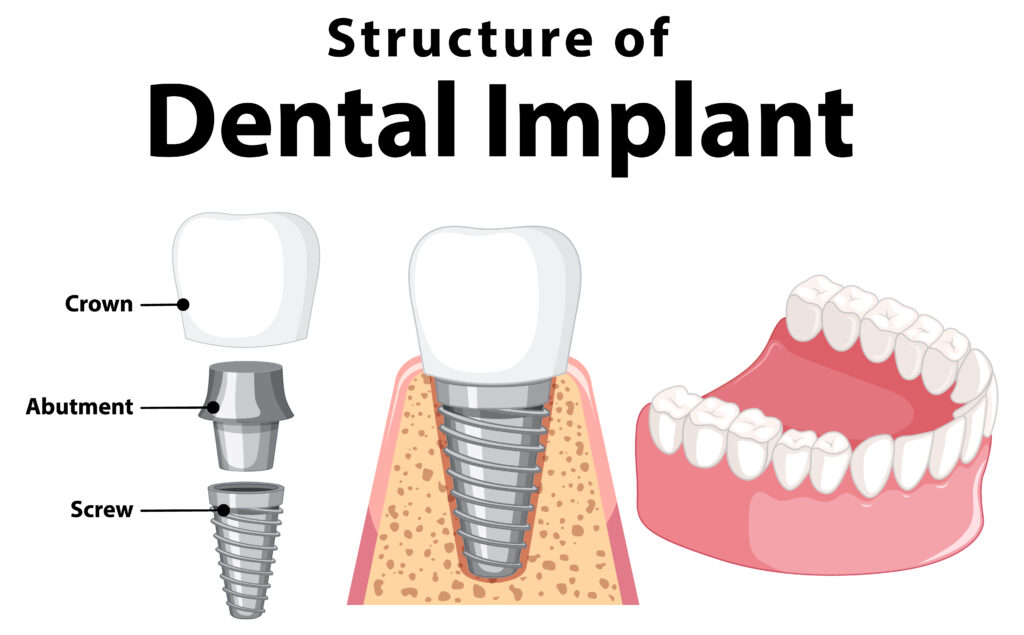
If you have been told that you have “too much bone loss for dental implants,” it can feel like a devastating dead end. Many patients assume that losing jawbone density permanently prevents them from getting stable, natural-looking teeth.
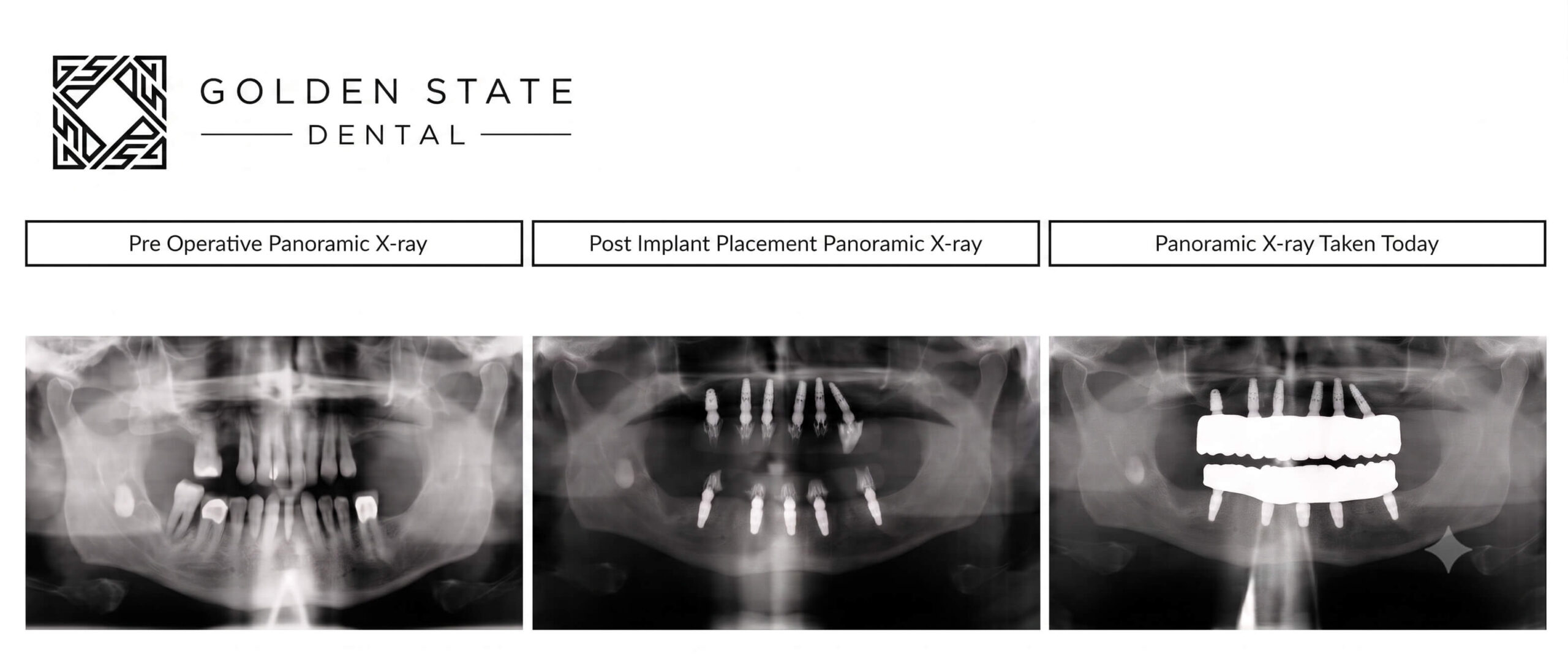
The clear answer is YES—you can still get dental implants even with severe bone loss. Thanks to modern periodontal science, bone grafting, and 3D guided implant surgery, severe jawbone loss is no longer an obstacle to restoring your smile.
Why Does Jawbone Loss Happen in the First Place?
Understanding why bone loss occurs is the first step toward rebuilding a healthy, permanent foundation:
-
The “Use It or Lose It” Principle: Natural tooth roots send signals to the jawbone during chewing to stay thick and dense. Once a tooth is lost, the surrounding bone begins a natural process called resorption, where it gradually shrinks over time.
-
Advanced Periodontal Disease: Chronic periodontitis destroys the soft tissues and the supporting bone beneath the gums, causing teeth to loosen or fall out.
-
Long-Term Denture Friction: Traditional removable dentures do not stimulate the jawbone. Resting directly on the gums, they often accelerate bone loss through continuous friction and pressure.
Modern Dental Implant Options for Patients with Bone Loss
If your jawbone density has decreased, several advanced procedures can rebuild your jaw or bypass thin bone entirely:
1. Dental Bone Grafting (Rebuilding the Base)
Bone grafting acts as a biological scaffold. Special grafting material is placed in areas of low density, encouraging your body to regenerate living, dense bone tissue over a few months.
2. Sinus Lifts for Upper Jaw Implants
When upper back teeth have been missing for a long time, the sinus cavity often expands into the empty space. A sinus lift gently elevates the sinus floor, placing grafting material underneath to create enough vertical bone height for implants.
3. Precision 3D Guided Implant Surgery
Using high-definition 3D CBCT scans, a specialized implant dentist golden can digitally plan implant placement down to the exact millimeter. Guided surgical templates allow implants to anchor into the densest remaining bone pockets with minimal surgical disruption.
Do Dental Implants Prevent Further Bone Loss?
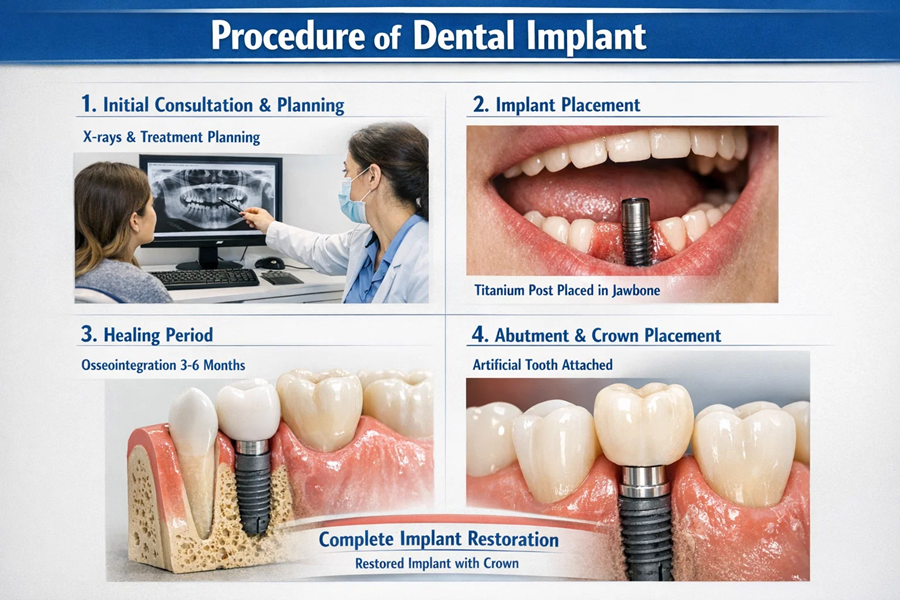
Yes! While traditional dentures accelerate jaw shrinkage, dental implants actually stop bone loss. Because titanium implant posts fuse directly with your living jawbone (a process called osseointegration), they act as artificial roots, stimulating the bone every time you chew and preserving your facial structure long-term.
Dental Implants vs. Traditional Dentures for Bone Loss Patients
| Feature / Factor | Dental Implants (with Grafting) | Traditional Removable Dentures |
| Bone Health |
Halts bone loss and stimulates jaw density |
Accelerates jaw resorption over time |
| Stability |
Permanently anchored; zero slipping or clicking |
Requires adhesives; can shift as jaw shrinks |
| Chewing Ability | Restores full natural bite force | Significantly restricts hard or crunchy foods |
| Lifespan |
Titanium posts last decades or a lifetime |
Requires frequent relining or replacement every 5–7 years |
Frequently Asked Questions
1. How do I know if I need a bone graft before dental implants?
A 3D CBCT scan during your consultation will measure the exact height and width of your jawbone. If the bone is too thin to encase the titanium post securely, a graft will be recommended.
2. Is bone grafting for dental implants painful?
No. The procedure is performed under local anesthesia or sedation, so you won’t feel pain. Mild post-treatment soreness is easily managed with standard over-the-counter medication.
3. How long after tooth extraction should I get an implant to prevent bone loss?
It is best to place an implant as soon as possible after extraction. In many cases, immediate implant placement or bone grafting at the time of extraction prevents major jawbone shrinkage.
Schedule Your Dental Implant Evaluation Today
Do not let jawbone loss keep you from enjoying a confident, fully functional smile. Serving Sacramento, Folsom, and Roseville, our experienced periodontal team is dedicated to restoring even complex, severe bone loss cases safely.
Contact our office today to schedule your comprehensive 3D digital implant consultation!
