For those committed to maintaining optimal oral health, understanding the intricacies of deep dental cleaning is paramount. This preventative dental care procedure goes beyond the surface, offering a robust defense against the perils of gum disease and other oral health risks.
What is Deep Dental Cleaning?
Definition and Distinction from Regular Cleaning
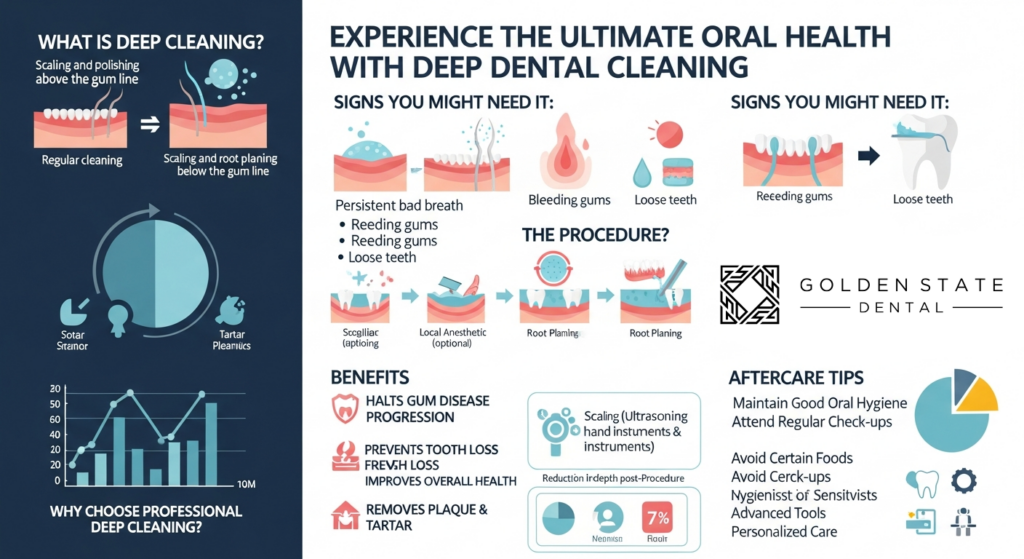
Deep dental cleaning, known formally as scaling and root planing, is a thorough cleaning procedure targeting the areas below the gumline, unlike regular dental cleaning which primarily focuses on the tooth surface. This process is essential for removing accumulated plaque and tartar that regular brushing and flossing cannot eliminate.
While regular cleanings serve as a preventive measure, deep cleanings are often necessary for those exhibiting signs of gum disease. This distinction is crucial as it determines the depth and nature of the cleaning required to maintain oral health.
Importance in Dental Health
The significance of deep dental cleaning cannot be understated. It plays a critical role in gum disease treatment, preventing the progression of oral diseases that could lead to tooth loss. As highlighted by the American Dental Association, maintaining healthy gums is an integral part of overall oral health.
Moreover, deep cleaning helps in reducing gingival pockets, thereby minimizing the space for bacteria to thrive. This proactive approach is instrumental in maintaining a healthy mouth and preventing more severe dental interventions in the future.
Indicators for Deep Dental Cleaning
Signs and Symptoms of Gum Disease
Recognizing the signs of gum disease is the first step toward timely intervention. Common symptoms include swollen or bleeding gums, persistent bad breath, and receding gums. If left unchecked, these symptoms could progress to more severe conditions requiring periodontal therapy.
Patients experiencing such symptoms should seek professional advice immediately to ensure a proper diagnosis and treatment plan, potentially involving deep dental cleaning.
Diagnosis and Assessment by Professionals
Dental professionals utilize a variety of diagnostic tools to assess the need for deep cleaning. This includes measuring the depth of gingival pockets, evaluating the extent of plaque and tartar buildup, and reviewing the patient’s overall oral health condition.
Regular dental check-ups at trusted practices, like Golden State Dental Co, ensure that any signs of gum disease are addressed promptly, preventing further complications.(ٌWikipedia)
Process of Deep Dental Cleaning
Scaling and Root Planing Explained
What Happens During Scaling
Scaling is the first step of the deep cleaning process, involving the removal of plaque and tartar from the tooth surfaces and below the gumline. This prevents the accumulation of oral bacteria that can lead to gum disease.
Technicians use specialized tools, ensuring that hard-to-reach areas are thoroughly cleaned, reducing the bacterial load in the mouth.
The Root Planing Process
Root planing follows scaling, where the tooth’s root surfaces are smoothed out to eliminate rough areas where bacteria can accumulate. This process promotes healing of the gums and helps them reattach to the teeth.
Root planing is crucial in reducing inflammation and preventing the advancement of gum disease, contributing to long-term oral health maintenance.
Tools and Techniques Used
Ultrasonic Instruments
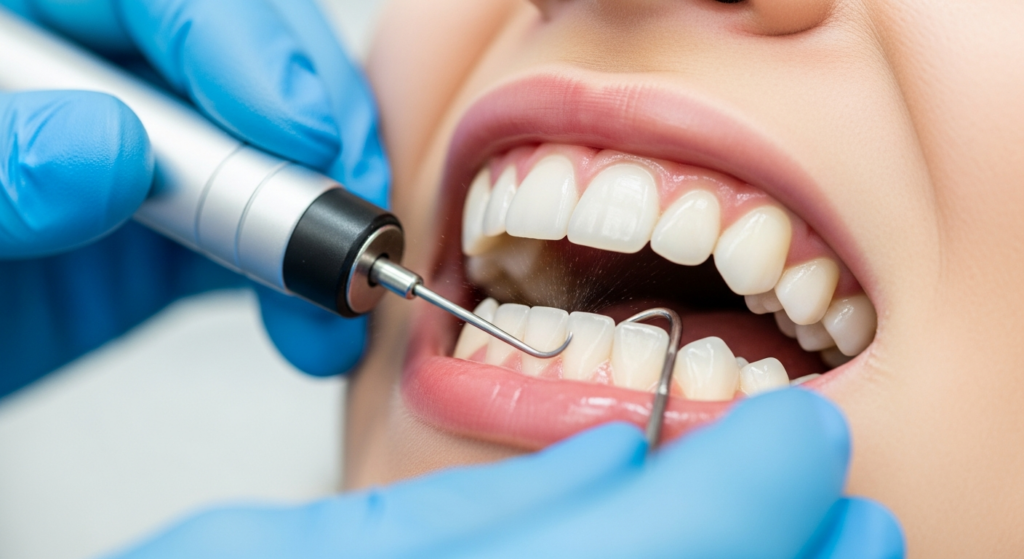
Dental hygienists often employ ultrasonic instruments for scaling, which use high-frequency vibrations to effectively break down plaque and tartar deposits. These tools are efficient in reaching deeper areas beneath the gums.
The use of ultrasonic technology minimizes discomfort and enhances cleaning precision, making it a preferred choice in many dental practices.
Manual Tools
In addition to ultrasonic devices, manual scaling tools are utilized to meticulously clean the teeth surfaces. These instruments are particularly effective in removing harder deposits and providing a detailed cleaning.
Manual scaling allows hygienists to feel and remove calculus deposits with precision, ensuring that every corner of the mouth is attended to.
Efficiency of Different Methods
The combination of ultrasonic and manual tools guarantees a comprehensive cleaning, each method complementing the other. While ultrasonic tools offer speed and reach, manual tools provide finesse and precision.
This dual approach ensures that deep dental cleaning is both effective and comfortable for patients, leading to optimal results.
Benefits of Deep Dental Cleaning
Health Benefits
Mitigation of Gum Disease
Deep dental cleaning is pivotal in the fight against gum disease. By thoroughly removing the bacteria-laden plaque and tartar, it significantly reduces inflammation and prevents the progression of periodontal disease.
This proactive treatment is essential for maintaining healthy gums and preventing complications associated with untreated gum disease.
Prevention of Tooth Loss
One of the most notable benefits of deep cleaning is its role in preventing tooth loss. By ensuring that the gums are healthy and free from infection, this procedure safeguards the underlying structures of the teeth.
Healthy gums are essential for anchoring teeth and providing the necessary support, highlighting the importance of timely deep cleanings.
Aesthetic and Lifestyle Benefits
Improved Aesthetic Appearance
Beyond health, deep dental cleaning offers aesthetic benefits. It helps in removing stains and discoloration caused by tartar, leading to a brighter smile.
This improvement in appearance boosts confidence and encourages individuals to maintain their oral health diligently.
Enhanced Oral Hygiene Practices
Post-treatment, patients often notice an improvement in their dental hygiene routine. With cleaner teeth, individuals are more motivated to maintain their results through regular brushing, flossing, and dental visits.
This reinforces a cycle of preventive care, minimizing the risk of future oral health issues.
Risks and Considerations
Possible Side Effects
Post-Treatment Sensitivity
Some patients may experience temporary sensitivity following the procedure. This is due to the exposure of tooth roots during the cleaning process.
Using desensitizing toothpaste and avoiding extreme temperatures in food and drink can help alleviate discomfort.
Minor Gum Bleeding
Minor bleeding of the gums is not uncommon after deep cleaning. This typically resolves within a few days as the gums heal and reattach to the teeth.
Maintaining gentle oral hygiene practices during this period is crucial to support healing.
Long-Term Considerations
Necessity of Follow-up Treatments
Periodic follow-up treatments may be necessary to maintain the health improvements achieved through deep cleaning. Regular dental check-ups help monitor progress and catch any signs of recurring gum issues early.
This ongoing care is vital for sustaining oral health and preventing future complications.
Lifestyle Adjustments
After a deep cleaning, patients may need to make lifestyle adjustments. This includes quitting smoking, improving diet, and adhering to a stringent oral hygiene regime.
These changes are essential for optimizing the outcomes of deep dental cleaning and ensuring long-lasting oral health.

Patient Experiences and Testimonials
Real-life Experiences
Testimonials from Patients
Many patients report significant improvements in their oral health and overall well-being post-treatment. Testimonials highlight not only the health benefits but also the increased confidence in social settings.
“Deep dental cleaning at Golden State Dental Co transformed my smile and boosted my confidence. I never realized how much plaque was affecting my gums until I experienced the difference firsthand.” – A Satisfied Patient
Common Questions Answered
Patients often have concerns about the procedure, ranging from pain levels to the longevity of results. Professionals at Golden State Dental Co provide thorough consultations to address these queries, ensuring patients are informed and comfortable.
Understanding the process and expected outcomes helps alleviate anxiety, making the experience more pleasant.
How to Choose a Provider
Evaluating Credentials and Expertise
When selecting a provider for deep dental cleaning, it’s crucial to evaluate their credentials and experience in performing periodontal therapy. A reputable provider should have a proven track record of successful treatments.
Researching providers, reading reviews, and asking for recommendations can help in making an informed decision.
Importance of a Personalized Approach
Each patient’s oral health needs are unique, necessitating a personalized treatment plan. A provider who tailors their services to individual patient needs ensures better outcomes.
Golden State Dental Co, for instance, emphasizes personalized care, understanding that a one-size-fits-all approach does not apply to dental health.
How to Prepare for and Maintain Results
Pre-Procedure Tips
Consultation and Preparatory Measures
Before undergoing deep cleaning, a thorough consultation is essential. This allows the dental team to assess the patient’s health history and set realistic expectations for the procedure.
Patients are advised to follow specific preparatory guidelines to ensure the process goes smoothly and effectively.
Post-Procedure Care
Routine Oral Hygiene Adjustments
Post-procedure, maintaining a strict oral hygiene routine is crucial. This includes regular brushing with fluoride toothpaste, daily flossing, and using an antiseptic mouthwash to reduce bacteria.
These practices help sustain the results of the deep cleaning and prevent reoccurrence of periodontal issues.
Regular Monitoring and Professional Check-ups
Regular dental visits, at least twice a year, are recommended to monitor oral health and perform professional dental cleaning as needed. These check-ups allow early detection and management of potential issues.
Continuous professional oversight ensures that the benefits of deep dental cleaning are long-lasting.
Cost and Insurance Coverage
Understanding Costs
Breakdown of Expenses
The cost of deep dental cleaning varies depending on factors such as the severity of gum disease, geographic location, and the dental provider’s fees. Typically, the procedure is more expensive than regular cleanings due to its complexity.
Patients should inquire about the detailed cost breakdown during their initial consultation to avoid any surprises.
Variables Affecting Cost
Additional variables that may influence the cost include the necessity for local anesthesia, follow-up visits, and the use of advanced technologies.
Understanding these factors helps patients budget appropriately and assess the value of the service provided.
Insurance and Payment Options
Navigating Insurance Coverage
Many insurance plans cover deep dental cleaning under preventive or restorative care, but the extent of coverage can vary. Patients should check with their insurance provider to understand their benefits and any potential out-of-pocket costs.
Available Payment Plans
For those without adequate insurance coverage, many dental practices offer payment plans to make the procedure more accessible. Discussing these options with the provider can ensure the necessary care is affordable.
FAQs
What is the difference between deep dental cleaning and regular cleaning?
Deep dental cleaning targets the areas below the gumline and removes plaque and tartar buildup, while regular cleaning focuses on the tooth surface. Deep cleaning is used for treating gum disease.
How often should one undergo deep dental cleaning?
The frequency depends on the individual’s oral health condition and dentist’s recommendation. Typically, it ranges from every 6 months to once a year for those with periodontal issues.
Is deep dental cleaning painful?
While some discomfort may be experienced, anesthetics are used to minimize pain during the procedure. Post-treatment sensitivity is common but manageable with proper care.
Can deep dental cleaning reverse gum disease?
Deep cleaning can significantly reduce symptoms and prevent the progression of gum disease but does not reverse damage already done. Ongoing care is essential for managing the condition.
Do insurance plans typically cover deep dental cleaning?
Many insurance plans cover deep cleaning under preventive care, but coverage details vary. It’s important to verify with your provider to understand your specific benefits.