

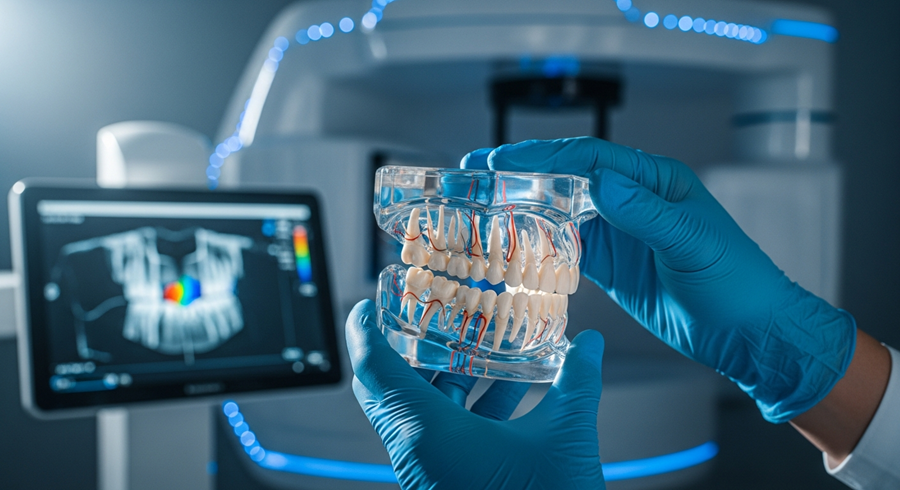
3D dental imaging is revolutionizing oral care by delivering unprecedented precision in diagnosis and treatment planning, significantly enhancing patient outcomes and transforming dental practices. This cutting-edge dental technology enables clinicians to visualize the intricate structures of the dental arches and maxillofacial region with greater anatomical accuracy, offering a profound leap forward in dental diagnosis and care.
Understanding 3D Dental Imaging Technology
The Basics of 3D Dental Imaging
3D dental imaging provides a three-dimensional view of the teeth, bone, and surrounding structures, surpassing traditional 2D X-rays in detail and accuracy. Core technologies such as cone beam computed tomography (CBCT) and intraoral scanners form the backbone of modern 3D imaging systems. Unlike bitewing radiography, which offers limited perspectives, these technologies capture a comprehensive view of dental anatomy, crucial for precise treatment planning.
Key Innovations in 3D Imaging
The advent of CBCT has transformed dental imaging by offering high-resolution, 3D views that enhance orthodontic imaging and implant planning. Digital imaging in dentistry, including the use of intraoral scanners, has improved patient comfort and reduced the need for traditional dental impressions. These advancements facilitate more accurate diagnosis and tailored treatment strategies, significantly impacting patient care.
Clinical Applications of 3D Dental Imaging
Enhanced Diagnostics and Treatment Planning
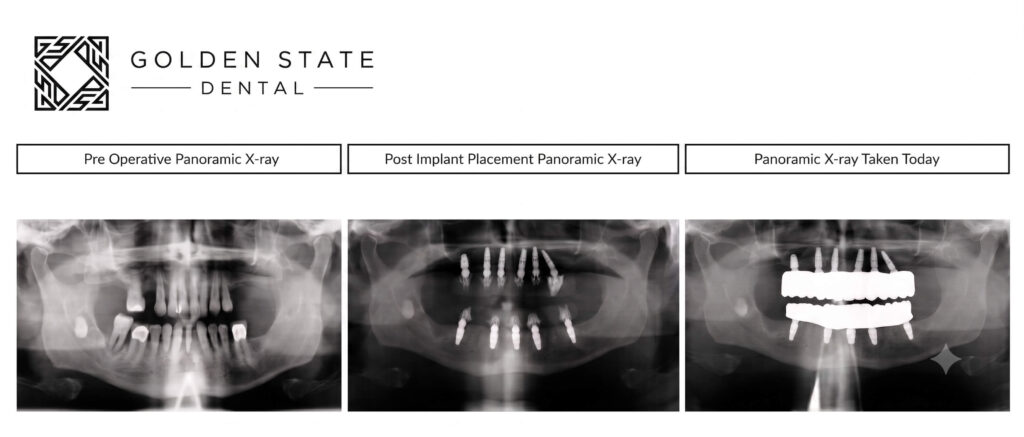
3D imaging technologies are instrumental in refining orthodontic imaging, allowing for precise alignment and movement predictions. CBCT provides high-precision views essential for implant planning, ensuring optimal placement and integration with the patient’s anatomy. In endodontics, detailed imaging of root canal systems aids in the successful treatment of complex cases, reducing the likelihood of treatment failure.
Maxillofacial Imaging and Surgery
For oral and maxillofacial surgery, 3D imaging offers critical insights into detailed anatomical structures, enhancing surgical outcomes. Compared to traditional imaging techniques, 3D imaging provides clearer views, enabling more accurate surgical planning and execution. This is particularly advantageous in complex cases involving maxillofacial reconstruction and trauma management.
Safety and Standards in 3D Imaging
Radiation Exposure and Safety Measures
While concerns about radiation exposure persist, advancements in dental technology have significantly reduced the radiation levels associated with 3D imaging. Innovations in CBCT focus on minimizing exposure, ensuring patient safety without compromising diagnostic quality. Dental practices adhere to stringent safety standards and best practices to protect patients and staff.
Industry Regulations and Patient Consent
The dental industry is governed by regulations that ensure the ethical use of 3D imaging technologies. Clinicians must obtain informed consent, providing patients with comprehensive information about the procedure, benefits, and risks involved. Adhering to these regulations fosters trust and transparency, essential components of effective patient care.
The Future of 3D Dental Imaging
Technological Advancements on the Horizon
Emerging trends in dental imaging technologies, such as the integration of artificial intelligence (AI) in diagnostic imaging, promise to further enhance diagnostic accuracy and efficiency. The future of 3D imaging includes real-time imaging capabilities, offering immediate insights and facilitating dynamic treatment adjustments.
Integration with Other Dental Technologies
The synergy between 3D imaging and technologies like dental CAD/CAM systems and desktop 3D printers is set to streamline workflows and improve patient outcomes. Comprehensive imaging solutions bridge the gap between diagnosis, planning, and treatment execution, paving the way for personalized and effective dental care.
Leveraging 3D Imaging for Better Patient Outcomes
Transforming Patient Experiences
3D visualization enhances communication with patients, helping them understand their conditions and treatment plans better. Patient testimonials highlight the positive impacts of this technology, from reduced anxiety to improved satisfaction with outcomes.
Boosting Clinical Efficiency and Outcomes
The precision offered by 3D dental imaging reduces treatment times and chair-side durations, allowing for more efficient workflows. This accuracy leads to improved clinical outcomes, fostering patient trust and practice success.
Innovative Solutions in Dental Practices
Dental practices leveraging innovative solutions, such as personalized treatment plans informed by 3D imaging data, report enhanced patient care and outcomes. Case examples illustrate the transformative effects of integrating 3D imaging into routine practice, showcasing its role in advancing modern dentistry.
FAQs
- What is 3D dental imaging and how does it work?
3D dental imaging is a technology that provides detailed, three-dimensional views of the dental and maxillofacial structures, often using cone beam computed tomography (CBCT) for precise imaging. - How does 3D imaging improve dental diagnosis?
By offering comprehensive views and high-resolution images, 3D imaging enhances diagnostic accuracy, aiding in precise treatment planning and execution. - Is 3D dental imaging safe?
Yes, with advancements in technology, radiation exposure from 3D imaging is minimized, making it safe for patients when conducted under proper protocols. - What are the benefits of 3D imaging in implant planning?
3D imaging provides detailed anatomical insights, ensuring precise implant placement and integration, reducing risks of complications. - How does 3D imaging integrate with other dental technologies?
3D imaging complements dental CAD/CAM systems and other technologies, facilitating comprehensive diagnostic and treatment solutions for enhanced patient care.
