

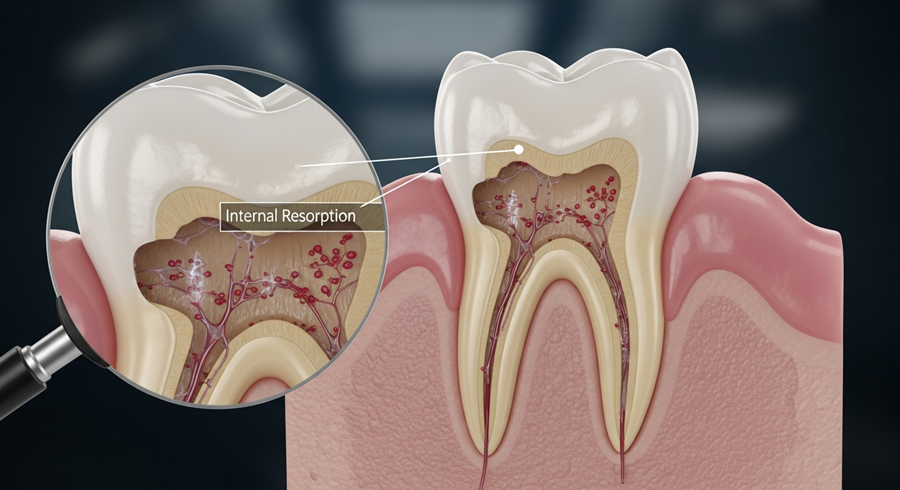
Tooth resorption is a progressive condition where the body’s cells break down and absorb the structures of the tooth, often challenging both patients and dental professionals. Understanding its types, diagnostic methods, and treatment options is crucial for preserving dental health.
Types of Tooth Resorption
Inflammatory Resorption
Causes and Risk Factors
Inflammatory resorption occurs when the body’s immune response targets the tooth, often following trauma or infection. Key risk factors include dental injuries, dental pulp inflammation, and aggressive orthodontic treatment. The presence of odontoclast cells plays a pivotal role in this process, eroding the dentine and compromising the tooth’s structure.
Symptoms and Detection
Symptoms may include pain, swelling, and visible tooth discoloration. Early detection through radiographic assessment is critical. Dental professionals often use X-rays to identify areas of resorption and assess the extent of damage, facilitating timely intervention.
Replacement Resorption
Causes and Risk Factors
Replacement resorption, or ankylosis, involves the gradual replacement of dental structures by bone. It is commonly triggered by the loss of the periodontal ligament after severe trauma, where the tooth becomes fused to the bone. In such cases, receiving advanced periodontal therapy is crucial to manage the surrounding tissue and support overall jaw health.
Symptoms and Detection
Patients might notice a lack of mobility in the affected tooth and changes in bite alignment. Detection is primarily through clinical examination and radiographs, which reveal the integration of the tooth with the surrounding bone.
Diagnostic Techniques for Tooth Resorption
Radiographic Assessment
Radiographic imaging is indispensable in diagnosing tooth resorption. Techniques such as periapical and panoramic X-rays help visualize root and apical resorption, guiding the treatment plan.
Clinical Examination
A thorough clinical examination can identify changes in tooth texture and integrity. Dentists evaluate symptoms and perform tests to assess pulp vitality and structural damage.
Treatment Options for Tooth Resorption
Endodontic Treatment
Root Canal Procedures
Root canal treatment is often employed to address inflammatory resorption by removing infected pulp tissue. This procedure preserves the tooth structure and alleviates symptoms.
Success Rates and Considerations
The success of root canal procedures depends on the extent of resorption and timely intervention. Regular monitoring and follow-up care are essential to ensure long-term success.
Surgical Interventions
Tooth Extraction
In severe cases, extraction may be necessary to prevent further complications. This is followed by dental restoration options such as implants to maintain function and aesthetics.
Bone Grafting and Implants
Bone grafting techniques support implantology efforts, providing a stable foundation for dental implants. This approach is critical in cases where significant bone loss has occurred.
Preventive Measures
Regular Dental Check-ups
Routine dental visits are vital for early detection and management of tooth resorption. Regular assessments help identify early signs and implement preventive strategies.
Maintaining Oral Hygiene
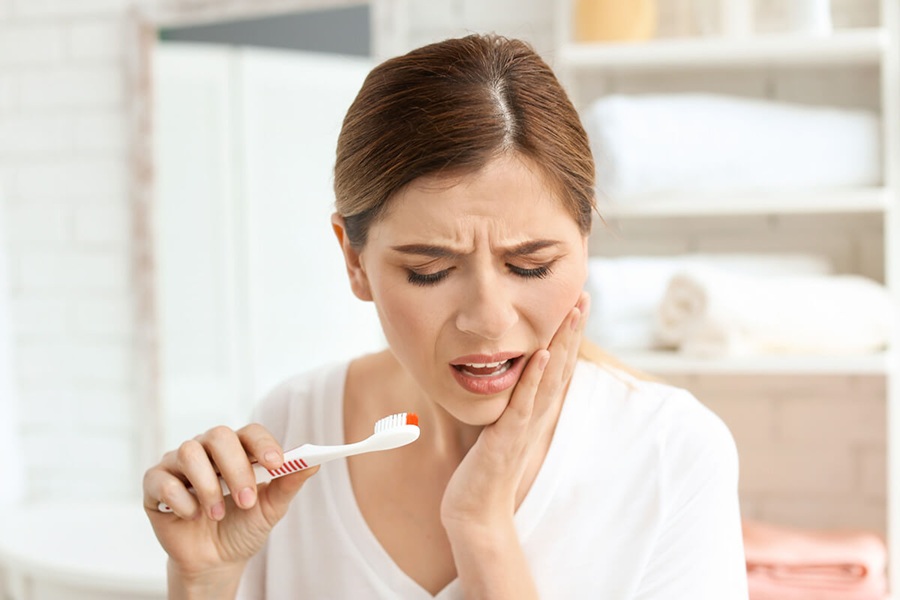
Good oral hygiene practices, including brushing and flossing, can help reduce the risk of infection and inflammation, key contributors to resorption. Maintaining healthy gums also prevents complications like gum recession, which can expose the tooth roots and make them more vulnerable to structural damage.
Innovations in Tooth Resorption Treatment
Regenerative Techniques
Stem Cell Therapy
Emerging regenerative techniques, such as stem cell therapy, offer promising avenues for restoring damaged dental structures, although clinical application is still under investigation.
Biomaterials in Dentistry
Biomaterials are increasingly used to repair resorbed areas, promoting healing and integration with existing dental tissues.
Future Directions and Research
Ongoing research in dental resorption focuses on understanding the underlying biological processes and developing new treatment modalities to improve patient outcomes.
Patient Journey and Support
Coping with Tooth Resorption
Patients often face emotional and physical challenges when diagnosed with tooth resorption. Supportive care and counseling are vital components of the treatment plan.
Post-Treatment Care and Maintenance
Post-treatment care is crucial for maintaining dental health and preventing recurrence. Patients are advised to adhere to customized care plans provided by dental professionals.
FAQs
- What causes tooth resorption? Tooth resorption is often caused by trauma, infection, or inflammatory processes, involving cells like odontoclasts that break down tooth structures.
- How is tooth resorption diagnosed? Diagnosis typically involves radiographic imaging and a clinical examination to assess the extent of resorption and plan appropriate treatment.
- Can tooth resorption be prevented? While not all cases can be prevented, maintaining good oral hygiene and regular dental check-ups can help reduce the risk.
- What are the treatment options for tooth resorption? Treatment may include endodontic procedures like root canals, surgical interventions, and the use of regenerative techniques depending on the severity.
- Is tooth resorption reversible? Once resorption occurs, it cannot be reversed, but timely intervention can halt progression and restore function through various dental treatments.
