


In the pursuit of the perfect smile, cosmetic dentistry has emerged as a revolutionary field, offering transformative results that go beyond mere dental health. However, the path to achieving this aesthetic perfection is often paved with financial considerations. Understanding how to navigate the landscape of cosmetic dentistry insurance can significantly impact the affordability and accessibility of these procedures.
Understanding Cosmetic Dentistry and Its Costs
What Constitutes Cosmetic Dentistry?
Cosmetic dentistry focuses on enhancing the visual appeal of your smile, improving dental aesthetics in color, position, shape, size, and overall alignment. It transcends the functional aspects of dental care, venturing into procedures that cater primarily to personal appearance and confidence.
Common Cosmetic Dental Procedures include teeth whitening, veneers, and dental implants. Teeth whitening coverage, one of the simplest and most popular forms of cosmetic enhancement, can dramatically improve the brightness of your smile. Veneers, while more invasive, offer a comprehensive solution for chipped, stained, or misaligned teeth. Meanwhile, dental implants provide a permanent and aesthetic solution for missing teeth, though the cost can be substantial.
Average Costs of Cosmetic Dental Treatments
The financial aspect of cosmetic dentistry is a crucial consideration for many. The average cost of these procedures varies significantly based on the complexity and materials used. For instance, teeth whitening can range from $200 to $1,000, while veneers might set you back between $800 and $2,500 per tooth. Dental implants can be even more costly, often exceeding $3,000 per implant, reflecting the intricate surgical process involved.
Differences Between Medical and Cosmetic Coverage
Medical Necessity in Dentistry
Insurance coverage is often contingent on the concept of medical necessity. Procedures that are deemed essential for maintaining or restoring dental health are typically covered under standard dental insurance plans. This includes treatments like fillings, root canals, and extractions.
Limitations of Health and Dental Insurance
However, insurance exclusions for cosmetic procedures are common, as these are not generally considered medically necessary. This delineation creates a financial gap where cosmetic dental benefits are concerned, necessitating a strategic approach to afford these enhancements.
How Dental Insurance Works for Cosmetic Procedures
Standard Coverage Offered by Insurers
Preventative vs. Cosmetic Coverage
Most dental insurance plans prioritize preventative care, which includes regular cleanings and check-ups, over cosmetic procedures. The rationale is clear: prevention mitigates future health issues. However, insurance for cosmetic procedures often requires additional considerations, as these are generally not included in basic plans.
Limitations and Caps on Benefits
Insurance plans frequently impose annual caps on coverage, which can be as low as $1,000 to $2,000. This limitation is especially challenging when it comes to high-cost cosmetic treatments like veneers insurance or crown insurance coverage.
Policies That May Support Cosmetic Procedures
Dental Insurance Plans That Include Cosmetic Options
Some innovative insurance solutions, such as those offered by Golden State Dental Co, provide tailored insurance plan benefits that include coverage options for cosmetic procedures. Understanding the specific terms and conditions of these plans is crucial for maximizing benefits.
Rider Policies for Cosmetic Dentistry
Rider policies can be added to traditional dental insurance to extend coverage to cosmetic procedures. These riders often come at an additional cost but can be an effective means of securing financial support for cosmetic dental enhancements.
Flex Spending Accounts and Cosmetic Procedures
Utilizing Flexible Spending Accounts (FSAs) can also aid in financing cosmetic dentistry. FSAs allow you to use pre-tax dollars to pay for certain out-of-pocket health expenses, including some dental procedures. Consulting with a financial advisor can help determine the best use of these accounts.
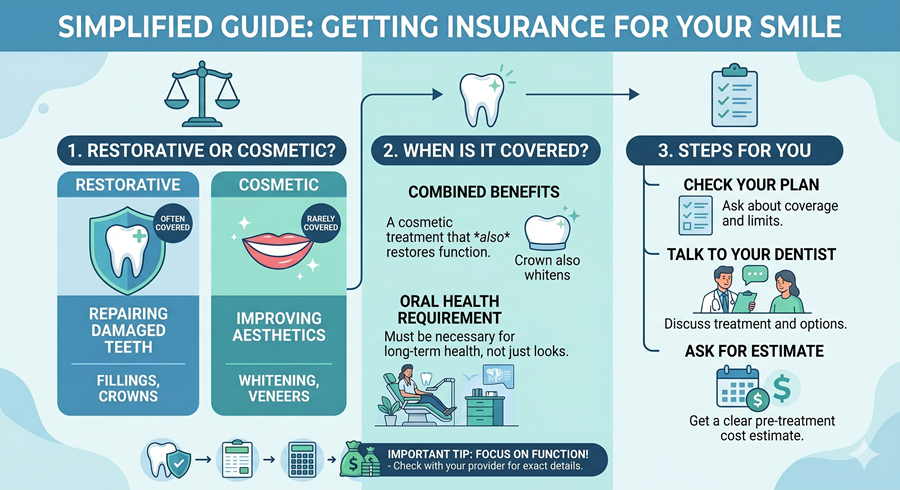
Strategizing to Maximize Insurance Benefits for Cosmetic Dentistry
Evaluating Your Existing Insurance Plan
Reviewing the Policy Documents and Terms
A thorough review of your current insurance policy is essential to understanding what is covered. Pay special attention to sections detailing insurance exclusions and the specifics of cosmetic coverage.
Discussing Options with Your Insurance Provider
Engaging in a candid discussion with your insurance provider can uncover hidden opportunities within your policy. They may offer guidance on available pre-approval for cosmetic dentistry or suggest policy adjustments to better suit your needs.
Exploring Alternative Financing Options
Flexible Payment Solutions
Many dental practices offer flexible payment plans to ease the financial burden of cosmetic procedures. These plans often allow you to spread the cost over several months, making treatments more manageable without insurance.
Dental Savings Plans and their Benefits
Dental savings plans offer an alternative to traditional insurance, providing discounts on a range of dental services, including cosmetics. These plans can be particularly beneficial for those who frequently require cosmetic enhancements, as they often come without the waiting periods associated with insurance claims for dentistry.
Practical Tips When Considering Cosmetic Dentistry
Prioritizing Essential vs. Aesthetic Treatments
Combining Health Needs with Cosmetic Benefits
When planning cosmetic dental work, consider combining necessary medical treatments with aesthetic enhancements. This strategic approach can sometimes enhance coverage options, marrying functionality with aesthetics.
Timing Your Treatments for Maximum Coverage
Timing is crucial in capitalizing on insurance benefits. Scheduling treatments across multiple years can help maximize annual coverage limits and reduce out-of-pocket costs.
Navigating the Insurance Approval Process
Obtaining Pre-Approval for Procedures
Securing pre-approval for cosmetic dentistry can be a critical step in the process. This involves getting confirmation from your insurer that they will cover specific procedures, which can prevent future claim rejections.
Filing Successful Insurance Claims for Cosmetic Work
The success of an insurance claim often hinges on accurate and complete documentation. Working with your dentist to ensure all necessary paperwork is submitted can streamline this process and increase the likelihood of approval.
The Future of Cosmetic Dentistry and Insurance Coverage
Anticipated Trends in Dental Insurance
Increasing Popularity of Cosmetic Procedures
The demand for cosmetic dentistry is on the rise, driven by societal trends and technological advancements. As more individuals seek these procedures, insurance companies may begin to broaden their coverage options to meet this growing need.
Insurance Adjustments to Cosmetic Coverage
Insurers are beginning to adjust their policies to reflect the growing popularity of cosmetic procedures. This shift may lead to more comprehensive plans that better address consumer demands for aesthetic dental care.
What Patients Should Look Out For in New Plans
Changes in Policy Terms
As policies evolve, staying informed about changes in terms and conditions is essential. This vigilance ensures that you are aware of any new opportunities or limitations regarding cosmetic dental benefits.
Newer Insurance Products Emerging in the Market
The insurance market is dynamic, with new products and services emerging regularly. Keeping an eye on these developments can reveal innovative coverage options that make financing cosmetic dentistry more accessible.
FAQs
What types of cosmetic dental procedures are typically covered by insurance?
While standard insurance plans often exclude cosmetic procedures, some policies may cover a portion of costs if the procedure has a functional component. For instance, repairing a chipped tooth with a veneer might be partially covered if it also restores functionality.
How can I find dental plans that cover cosmetic dentistry?
Researching and comparing different insurance providers is key. Look for plans that explicitly mention cosmetic coverage or offer rider policies specifically for aesthetic procedures. Consulting with insurance brokers can also provide personalized recommendations.
Are dental savings plans a good alternative to insurance for cosmetic procedures?
Dental savings plans can be a viable alternative, especially if you undergo frequent cosmetic treatments. These plans offer discounts without the restrictions of insurance caps, providing more flexibility in managing dental expenses.
What should I do if my insurance claim for cosmetic dentistry is denied?
If a claim is denied, review the denial reason carefully and address any missing information. You can appeal the decision by providing additional documentation or clarification from your dentist to support the medical necessity or other relevant factors.
How do I get pre-approval for cosmetic dental procedures?
Contact your insurer to discuss the pre-approval process. This typically involves submitting a treatment plan from your dentist, along with any necessary X-rays or documentation, to justify the procedure’s necessity and benefits.
