

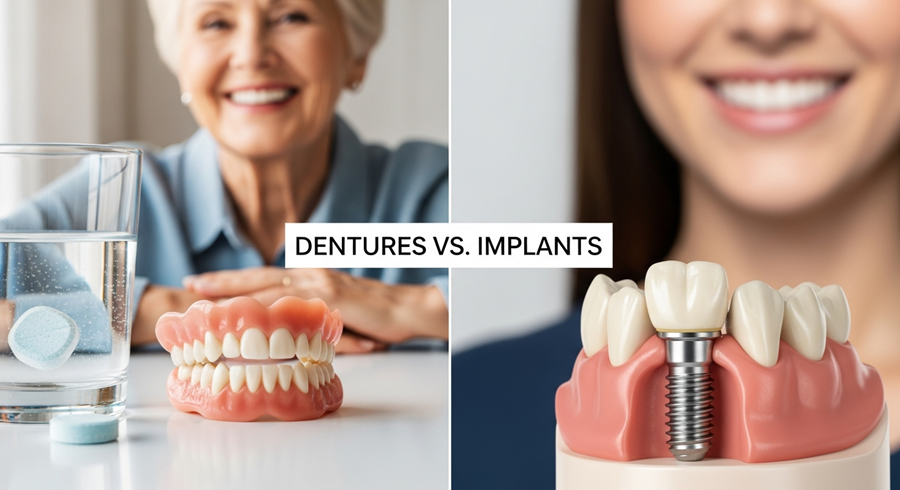
When considering options for tooth replacement, many individuals find themselves weighing the benefits of dentures against dental implants. Both offer solutions to restore oral function and aesthetics, yet they differ vastly in terms of cost, maintenance, comfort, and impact on oral health. Understanding the nuances of each can help you make an informed decision tailored to your needs.
Cost-Effectiveness: Dentures vs. Implants
Analyzing the Initial Investment
Dentures: A Budget-Friendly Solution
Dentures represent a traditional and often cost-effective solution for edentulism or tooth loss. The initial cost breakdown of dentures can vary significantly based on materials, type (such as removable dentures or fixed dentures), and geographical location. On average, complete dentures range from $600 to $8,000 for a full set, with variations attributed to the quality of materials and whether they are custom-fitted.
Factors influencing the price of dentures include the complexity of fitting, the need for extractions or preparatory work, and the inclusion of premium features like enhanced durability or aesthetic lifelike appearance. Although initial costs may be lower compared to implants, it’s essential to consider the potential for additional expenses over time, such as regular adjustments and replacements.
Implants: The Long-Term Investment
On the other end of the spectrum, dental implants require a more substantial upfront financial commitment. The upfront costs of dental implants typically range from $3,000 to $5,000 per implant, including the crown and surgery costs. While this might seem daunting initially, implants are often regarded as a long-term cost-effective solution, as they boast durability and a natural feel.
Implants may prove cost-effective over time due to their longevity and minimal need for replacements compared to dentures. As described by Dr. John Smith, a leading prosthodontist, “Dental implants provide a stable, long-lasting solution that, when properly cared for, can last a lifetime.” This durability can make implants a financially sound choice for those seeking a permanent solution to tooth loss.
Maintenance and Potential Hidden Costs
Ongoing Expenses for Denture Wearers
The ongoing expenses for denture wearers can add up over time. Replacement costs are a significant factor, as dentures typically require replacement every 5 to 8 years due to wear and changes in the mouth. Additionally, the need for periodic adjustments can incur additional charges.
Daily maintenance materials for dentures, such as adhesives, cleaning solutions, and storage cases, are also recurring costs. These expenses, though seemingly minor, accumulate and can impact the overall affordability of dentures compared to implants, which require less frequent maintenance expenditures.
Implants: Long-Term Maintenance Savings
In contrast, dental implants often require less intensive ongoing maintenance. The typical maintenance for dental implants involves regular oral hygiene practices similar to those for natural teeth, such as brushing, flossing, and routine dental visits.
When comparing the long-term costs of implants vs. dentures, implants often emerge as a more economical choice. Their durability and resistance to decay mean fewer replacements and adjustments, translating to savings over decades of use.
Comfort and Convenience in Everyday Use
Adapting to Dentures
Initial Adjustment Challenges
For many, adapting to dentures can pose initial challenges. Common adaptation issues with new dentures include sore spots, increased salivation, and difficulties with speech and eating. These issues often require patience and practice to overcome, with some users finding relief through gradual acclimatization and professional adjustments.
To ease the transition, individuals are advised to start with soft foods, practice speaking aloud, and use denture adhesives to improve stability and comfort. Comprehensive guidance from dental professionals can also facilitate a smoother adjustment period.
Daily Lifestyle Implications
The daily lifestyle implications of dentures are significant. Eating and speaking with dentures can be a learning curve, as some foods may be challenging to chew, and speech may initially be affected. Additionally, removing and cleaning dentures requires routine diligence to maintain oral health and prevent infections.
Despite these challenges, many individuals find that with patience and practice, they can lead fulfilling lives wearing dentures. However, the added steps in their daily routine can be a downside for some, especially when compared to the more seamless integration of implants.
Implants: A More Natural Feel
Enhanced Stability and Comfort
Dental implants offer enhanced stability and comfort by mimicking the function and feel of natural teeth. This stability is due to the implant’s secure integration with the jawbone, providing users with a more natural sensation when biting and chewing.
Implants enhance daily life comfort by allowing for the consumption of a wider variety of foods without fear of slippage or discomfort. This natural feel contributes significantly to the overall satisfaction and quality of life for implant users.
Bone Preservation Benefits
One of the most compelling benefits of implants is their impact on jawbone integrity. Unlike dentures, which can exacerbate bone loss over time, implants stimulate the jawbone similarly to natural teeth, promoting bone preservation.
This preservation is crucial not only for maintaining jawbone density but also for overall facial aesthetics, as bone loss can lead to a sunken appearance. The ability of implants to maintain bone structure offers a distinct advantage over dentures in terms of both health and appearance.
Longevity and Durability: Making the Most of Your Investment
Denture Lifespan and Replacement Frequency
Typical Wear and Tear Expectations
The typical wear and tear expectations for dentures include material degradation and changes in fit due to bone resorption. On average, dentures last between 5 to 8 years, with signs it’s time for a replacement including discomfort, slipping, or visible wear.
Regular evaluations by a dental professional can help determine when a replacement is necessary, ensuring optimal function and comfort for the wearer.
Innovations in Denture Durability
Recent innovations in denture durability have improved their lifespan and functionality. Advances in materials, such as high-impact acrylics and flexible polymers, offer increased resilience and comfort.
These improvements help extend the lifespan of dentures, making them a more viable option for individuals seeking durable, cost-effective tooth replacement solutions.
Dental Implant Lifespan
Stable and Long-Lasting Solution
Dental implants are renowned for their stability and long-lasting solution, often lasting several decades with proper care. The expected lifetime of dental implants is up to 25 years or more, with many lasting a lifetime.
Factors influencing the durability of implants include the quality of the implant material, the skill of the surgical procedure, and the individual’s overall oral hygiene practices.
Technological Advances in Implant Dentistry
Recent technological advances in implant dentistry have further boosted the longevity and success rates of implants. Innovations such as computer-aided design and manufacturing (CAD/CAM) and improved biomaterials have enhanced implant integration and durability.
These advancements ensure that implants remain a cutting-edge solution for long-term dental restoration, providing patients with confidence in their investment.
Impact on Oral Health: A Comprehensive Review
Dentures and Their Influence on Oral Health
The Risk of Oral Infections
Dentures can pose challenges concerning oral hygiene, leading to an increased risk of oral infections. Improper cleaning or prolonged wear can result in fungal infections, such as denture-related stomatitis.
Preventive measures for denture wearers include regular cleaning, proper fit adjustments, and routine dental check-ups to mitigate infection risks and maintain oral health.
Gum and Bone Implications
The effect of dentures on gum health can be significant, as ill-fitting dentures may cause irritation and gum recession. Additionally, dentures do not engage in the bone-stimulating activity that natural teeth or implants do, leading to bone degradation over time.
These bone degradation risks can affect not only oral functionality but also facial structure, underscoring the importance of considering the long-term implications of dentures on oral health.
Implants and Their Oral Health Advantages
Enhancing Oral Hygiene Routines
Dental implants offer significant advantages for enhancing oral hygiene routines. Their integration into the jawbone allows for easier cleaning using standard brushing and flossing techniques, similar to natural teeth.
This ease of maintenance, coupled with their resistance to decay, offers a clear advantage for overall oral health compared to the more involved care required for dentures.
Jawbone Health and Structural Benefits
Implants play a crucial role in maintaining jawbone health. By emulating the natural tooth root, implants stimulate the jawbone, preserving its density and structure.
This stimulation is vital for preventing bone loss and maintaining facial aesthetics, offering significant health and cosmetic benefits over traditional dentures.
Personalizing the Choice: Factors to Consider
Clinical and Lifestyle Considerations
Patient Health and Suitability
When deciding between dentures and implants, it’s essential to evaluate patient health and suitability. Implants require sufficient bone density and healthy gums, making them less suitable for individuals with certain health conditions, such as uncontrolled diabetes or severe osteoporosis.
Consultation with dental professionals is crucial to assess candidacy, ensuring that the chosen method aligns with the patient’s health status and oral condition.
Lifestyle Preferences and Personal Comfort
Personalizing the choice between dentures and implants involves assessing lifestyle preferences and personal comfort. Individuals must consider daily activity levels, dietary habits, and the importance of aesthetics and confidence in their decision.
For those prioritizing a natural look and feel with minimal maintenance, implants might be the preferred choice, offering a seamless integration into their lifestyle.
Future-Proofing Your Dental Decisions
Considering Future Dental Needs
Considering future dental needs is vital when choosing between dentures and implants. As dental technology evolves, options may expand, offering new solutions and enhancements.
Patients should plan for potential changes in their oral health and consider how their choice might adapt to advancements, ensuring longevity and satisfaction with their decision.
FAQ
What are the main differences between dentures and implants?
Dentures are removable prosthetics that replace multiple teeth, while implants are permanent fixtures integrated into the jawbone. Implants offer more stability and bone preservation benefits, whereas dentures are generally more affordable upfront.
How long do dental implants last compared to dentures?
Dental implants can last 25 years or more with proper care, often a lifetime. Dentures typically need replacement every 5 to 8 years due to wear and changes in fit.
Are dental implants suitable for everyone?
Not everyone is a candidate for dental implants; sufficient bone density and healthy gums are necessary. Conditions like uncontrolled diabetes or severe osteoporosis may disqualify some individuals.
What ongoing maintenance do dentures require?
Dentures require daily cleaning, adhesives, and regular adjustments. They may also need periodic replacements, adding to ongoing costs.
Do implants require special care?
Implants need regular oral hygiene similar to natural teeth, including brushing and flossing. While they require less maintenance than dentures, routine dental check-ups are still essential.
Consulting With Dental Professionals
The importance of consulting with dental professionals cannot be overstated. Expert advice from trusted sources, such as Golden State Dental (GSD), ensures that patients receive tailored recommendations based on their unique needs and circumstances.
Engaging with professionals provides clarity and confidence in decision-making, enabling patients to make informed choices about their oral health solutions.
