

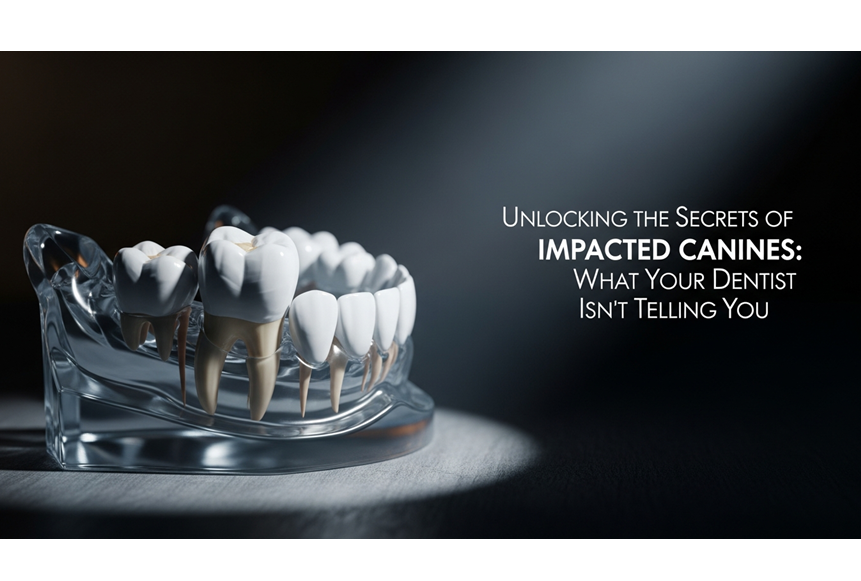
Impacted canines are those teeth that fail to erupt into their proper position in the dental arch within the expected timeframe. Unlike other teeth, canines have a distinctive role in maintaining the alignment and functionality of the dental structure. Their unique position and robust root structure make them vital for proper biting and chewing.
When canines are impacted, they remain trapped beneath the gum line, often leading to crowding and misalignment. This condition can significantly affect oral health, necessitating precise treatment approaches.
Comparing with Other Impacted Teeth
While wisdom teeth are commonly known for impaction, impacted canines differ due to their critical function in dental aesthetics and function. Unlike wisdom teeth, which are often removed, the effort with canines focuses on facilitating their eruption into the proper position.
Common Causes of Impacted Canines
Genetic Factors
Genetic predispositions play a significant role in impacted canines. Research indicates a strong hereditary link, as family members often share similar dental patterns. Genetic anomalies can lead to insufficient space in the dental arch, preventing canines from erupting properly.
Environmental Influences
Environmental factors, such as prolonged retention of baby teeth or premature loss of primary teeth, can also contribute to canine impaction. These scenarios disrupt the natural eruption pathway, causing the canines to remain entrapped.
Symptoms and Diagnosis
Recognizing Early Symptoms
Symptoms of impacted canines include prolonged retention of baby teeth, a gap between teeth, and misalignment of adjacent teeth. Early recognition of these signs is crucial for timely intervention.
Diagnostic Procedures for Confirming Impacted Canines
Dental professionals utilize panoramic X-rays and 3D imaging to diagnose impacted canines accurately. These diagnostics help in assessing the position and extent of impaction, allowing for precise treatment planning.

Legal Considerations in Impacted Canine Treatment
Regulatory Standards in Dental Practices
Compliance with Dental Care Guidelines
Dental practices must adhere to stringent regulatory standards to ensure patient safety. Compliance with guidelines set forth by professional dental associations is crucial for maintaining high-quality care.
Role of Professional Dental Associations
Associations like the American Dental Association (ADA) establish protocols for treating impacted canines, ensuring that dental professionals provide standardized care and minimize risks.
Legal Implications of Medical Errors
Case Studies of Dental Malpractice
Instances of medical errors in dental treatments, including those involving impacted canines, can lead to significant legal challenges. A notable case involved a misdiagnosis that resulted in unnecessary surgery, highlighting the importance of accurate diagnosis and treatment planning.
Preventive Legal Strategies in Dentistry
Dental practices must employ preventive legal strategies, such as thorough documentation and informed consent, to mitigate the risk of litigation. These measures protect both patients and practitioners.
Patient Consent and Confidentiality
Components of Valid Consent Forms
Valid consent forms should include detailed information about the procedure, potential risks, and alternative treatments. Ensuring patient understanding is vital for obtaining informed consent.
Maintaining Patient Privacy
Confidentiality is a cornerstone of dental practice. Protecting patient information not only complies with legal mandates but also builds trust in the patient-practitioner relationship.
Treatment Options and Procedures
Non-Surgical Approaches
Orthodontic Treatment Options
Orthodontic treatments, such as braces or aligners, can create space for impacted canines to erupt naturally. These approaches are less invasive and can be effective for mild cases of impaction.
Advantages of Conservative Management
Conservative management preserves natural tooth structure and minimizes surgical risks. Orthodontics can gradually reposition teeth, enhancing both function and aesthetics.
Surgical Interventions
Types of Oral Surgeries
Canine exposure surgery is a common procedure for facilitating the eruption of impacted canines. This involves exposing the tooth and attaching an orthodontic bracket to guide it into place.
Innovations in Dental Surgery
Advancements in dental technology have improved the precision and success rates of surgical interventions. Minimally invasive techniques and guided surgery enhance outcomes while reducing recovery times.
Choosing the Right Treatment Plan
Consultation with Dental Specialists
Consulting with dental specialists, such as orthodontists and oral surgeons, is essential for developing a comprehensive treatment plan. These professionals use their expertise to tailor interventions to individual needs.
Evaluating Patient-Specific Factors
Factors such as age, overall dental health, and the severity of impaction influence treatment decisions. A personalized approach ensures optimal results and patient satisfaction.
Benefits and Risks of Canine Exposure Surgery
Health Benefits of Early Intervention
Long-Term Dental Health Improvements
Early intervention prevents future complications such as misalignment and jaw pain. By addressing impacted canines promptly, patients can achieve better oral health and stability.
Preventing Future Complications
Treating impacted canines reduces the risk of cyst formation and root resorption of adjacent teeth. This proactive approach safeguards overall dental health and function.
Potential Risks and Complications
Common Surgical Complications
Complications from canine exposure surgery can include infection, bleeding, and damage to adjacent teeth. Surgeons must employ meticulous techniques to minimize these risks.
Mitigation Strategies
Preoperative assessments and adherence to hygienic protocols are crucial for reducing the likelihood of complications. Proper patient education on postoperative care is equally important.
Managing Surgical Risks
Preoperative Assessment and Planning
A detailed preoperative assessment helps identify potential risk factors, allowing for personalized surgical planning. This step is pivotal in ensuring patient safety.
Emergency Protocols in Dental Surgery
Having established emergency protocols and trained staff can effectively manage unforeseen complications during dental surgeries, ensuring patient well-being.
Post-Surgery Recovery and Care
What to Expect After Surgery
Timeline of Recovery Phases
Recovery from canine exposure surgery involves several phases, starting with initial swelling and discomfort. These symptoms typically resolve within a few weeks as the tooth begins to erupt.
Signs of Successful Healing
Successful healing is indicated by the gradual movement of the canine into its proper position without persistent pain or swelling. Regular follow-up appointments are vital for monitoring progress.
Effective Pain Management Strategies
Pharmacological and Non-Pharmacological Methods
Pain management combines pharmacological methods, such as analgesics, with non-pharmacological approaches like ice packs and relaxation techniques to enhance comfort during recovery.
Commonly Prescribed Medications
Analgesics such as ibuprofen and acetaminophen are commonly prescribed to manage postoperative pain. These medications should be taken as directed to avoid side effects.
Ensuring Proper Oral Hygiene
Post-Surgery Oral Care Best Practices
Maintaining oral hygiene post-surgery is crucial for preventing infection. Patients should gently clean their mouths using a soft-bristled toothbrush and avoid irritants such as alcohol-based mouthwash.
Tools and Products for Oral Health Maintenance
Various tools, including water flossers and antimicrobial rinses, aid in maintaining oral health post-surgery. These products help in removing debris and reducing bacterial load.
Navigating Insurance and Costs
Understanding Dental Insurance Coverage
Key Terms and Concepts
Understanding terms like copay, deductible, and coverage limits is essential for navigating dental insurance. Dental plans vary widely, and knowing these concepts aids in financial planning.
Navigating Claims and Reimbursements
Filing claims for impacted canine treatments can be complex. Patients should maintain detailed records and communicate effectively with their insurance providers to ensure proper reimbursement.
Cost-Effective Treatment Alternatives
Budgeting for Dental Care
Budgeting for dental care involves comparing treatment costs and exploring payment plans. Clinics like Golden State Dental offer flexible financing options to accommodate various budgets.
Exploring Financial Assistance Programs
Financial assistance programs, such as those offered by dental schools or community clinics, can provide cost-effective alternatives for impacted canine treatment, ensuring accessibility for all patients.
Legal Assistance for Insurance Denials
Steps to Appeal Insurance Decisions
If insurance claims for impacted canine treatments are denied, patients have the right to appeal. This process involves providing additional documentation and possibly undergoing an independent review.
Finding Legal Support for Denied Claims
Legal support can be crucial when facing denied insurance claims. Organizations like the National Association of Dental Plans offer resources and guidance for navigating these challenges.
Patient Rights and Informed Consent in Dentistry
Understanding Patient Rights
Legal Protections in Dental Care
Patients have rights to safe, ethical treatment and access to their dental records. Legal frameworks protect these rights, ensuring patients receive quality care without discrimination.
Resources for Patient Advocacy
Patient advocacy groups provide resources and support for individuals navigating dental care challenges. These organizations empower patients to make informed decisions about their health.
The Importance of Informed Consent
Legal Requirements for Informed Consent
Informed consent is legally required for all dental procedures, ensuring patients are aware of the risks and benefits. Dental professionals must communicate clearly and effectively to achieve this.
How to Ensure Patient Understanding
Ensuring patient understanding involves using layman’s terms, visual aids, and verifying comprehension through open-ended questions. This approach fosters informed decision-making.
Legal Recourse for Consent Violations
Processes for Filing Complaints
Patients can file complaints through state dental boards if they believe informed consent was violated. These boards investigate claims and enforce disciplinary actions if necessary.
Examples of Legal Outcomes
Legal outcomes for consent violations can include settlements, disciplinary actions against practitioners, or changes in practice protocols. These cases underscore the importance of adhering to consent laws.
Dr. Emily Washington, an esteemed dental surgeon, emphasizes, “Informed consent is the foundation of ethical dental practice. It ensures transparency and builds trust between patients and practitioners.”
For more information on impacted canines treatment and your rights as a patient, visit Golden State Dental. Additionally, resources such as the American Dental Association and FDA provide valuable insights into dental care standards and regulations.
FAQs
What is an impacted canine?
An impacted canine is a tooth that fails to erupt into its proper position in the dental arch, often requiring intervention.
What are the symptoms of impacted canines?
Symptoms include prolonged baby teeth retention, gaps, and adjacent teeth misalignment.
Are there non-surgical treatments for impacted canines?
Yes, orthodontic approaches can create the necessary space for natural tooth eruption.
What are the legal rights of dental patients?
Patients have rights to informed consent, confidentiality, and access to their dental records.
How can I manage the costs of canine exposure surgery?
Explore insurance coverage, payment plans, and financial assistance programs for cost-effective solutions.
