

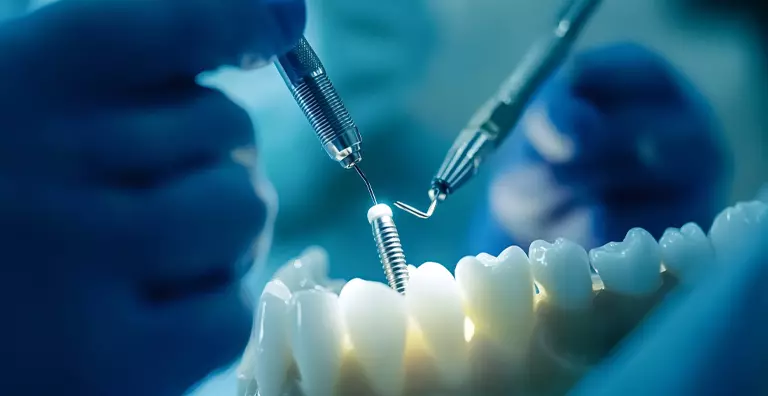
Finding out that a dental implant isn’t healing the way it should is a heavy experience. You put your trust, your time, and your hard-earned money into a procedure that was supposed to give you your confidence back. Now, instead of a perfect smile, you might be dealing with a strange ache or a tooth that feels slightly “off.”
If you suspect something is wrong, you are likely searching for a Failed Dental Implant Revision to see if your smile can still be saved. While dental implants are remarkably reliable, they are still a medical procedure, and sometimes our bodies or external factors don’t cooperate. The most important thing to know is that a struggling implant doesn’t have to be the end of the road.
With the right care and a tailored repair plan, we can often rescue the site or start fresh with a much stronger foundation. This guide will walk you through the signs to look for, why these things happen, and how we can help you get back on track.
Understanding Failed Dental Implant Revision and Why It Matters
A dental implant revision is a specialized way of hitting the “reset” button on a treatment that didn’t go as planned. It is a more delicate process than the first surgery because we are often working with tissue that has been through some stress.
When an implant fails, it isn’t just about the titanium post; it is about the health of the surrounding bone and the teeth next door. If we ignore a failing implant, a small infection can turn into significant bone loss that makes future repairs much harder.
Every patient deserves to eat, speak, and laugh without wondering if their dental work is going to hold up. A successful revision starts with a deep, honest look at why the first attempt didn’t take.
By finding that root cause, we can build a personalized plan to fix the damage and protect your oral health for the long run. This matters because your smile is a part of who you are, and getting it right is the only way to ensure you feel like yourself again.
Key Factors That Lead to Dental Implant Failure
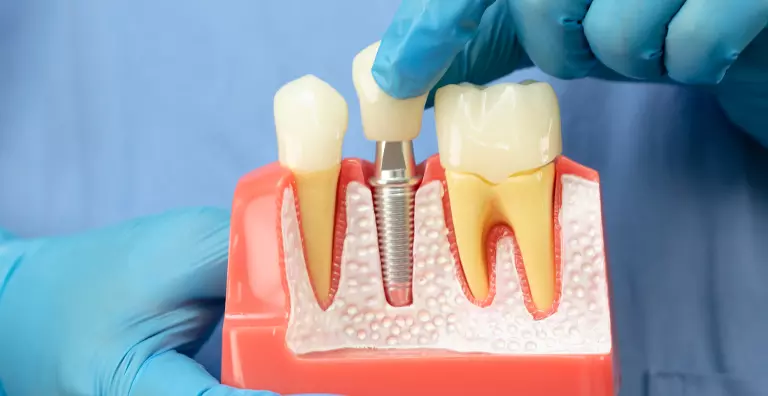
It helps to understand that implants usually fail for specific biological or mechanical reasons. Knowing the “why” helps us make sure the second time is the charm. (source)
Peri-Implantitis and Chronic Infection
The most frequent hurdle we see is called peri-implantitis. Think of this as a very specific type of gum disease that targets the area right around your implant. Bacteria can sometimes find a way under the gum line, causing inflammation that slowly eats away at the bone holding the implant in place.
Because implants don’t have the same natural defense system as real teeth, these infections need professional help to clear up.
Lack of Osseointegration
Osseointegration is just a fancy word for your bone and the implant becoming “one.” Sometimes, for reasons like low bone density or a slow healing response, the bone doesn’t grow tightly around the titanium post. If that bond never forms, the implant will never be stable enough to chew on. This is why a healthy foundation is so vital before the first “tooth” is ever attached.
Mechanical Stress and Overloading
Sometimes the hardware itself is fine, but the pressure is too much. If an implant is placed at a tricky angle, or if you have a habit of grinding your teeth at night, the constant “micro-shaking” can prevent the bone from staying attached. This mechanical stress can eventually cause the implant to wiggle, which is a clear sign that the support system is struggling.
What to Expect During the Repair Journey
Repairing an implant is a journey that requires a bit more patience than a standard placement. We take extra steps to make sure the environment is perfectly healthy before we try again.
- A Closer Look: We use high-definition 3D imaging to see exactly where the bone loss is happening. This helps us plan the repair without any guesswork.
- Cleaning the Slate: If the old implant is loose or infected, we gently remove it. Our priority is to save every millimeter of your natural bone during this step.
- Stopping the Infection: We thoroughly clean the area, often using specialized tools to make sure every trace of harmful bacteria is gone.
- Rebuilding the Base: Most people need a little help growing their bone back. A bone graft acts like a scaffold, giving your body the support it needs to rebuild a strong anchor point.
- A New Beginning: Once your jaw is healthy and strong, we place a new implant using a 3D-guided process to make sure the placement is absolutely perfect.
Common Mistakes to Avoid If You Suspect Trouble
One of the most common mistakes is trying to “tough it out.” We often hope that a little soreness or a tiny bit of movement will just go away on its own, but dental implants don’t work that way. If there is an infection or a stability issue, waiting only gives the problem more time to grow. Early intervention is the best way to keep a revision simple rather than complex.
Another mistake is assuming that a loose-feeling tooth is “just a loose crown.” While it might be a simple fix, it could also be the first warning sign that the implant underneath is in trouble. It is always better to have a professional check it out than to risk losing more bone.
Finally, don’t feel discouraged or like you did something wrong. Implant complications happen, and the best move you can make is to find an expert who knows exactly how to fix them.
Why Revision Expertise Matters in Northern California
Patients living in Sacramento, Folsom, and Roseville expect a high standard of care that matches their active lifestyles. You want to be able to enjoy the local food scene and stay busy without worrying about your dental health. Because our community is so health-conscious, we focus on 2026 clinical protocols that emphasize long-term wellness over quick fixes.
When you look for help in Folsom or Roseville, you are looking for a team that treats you like a neighbor, not a chart number. We understand the specific needs of patients in our area and provide the kind of hands-on, local follow-up that a successful revision requires. Having your care close to home makes the healing process much easier to manage.
When to Reach Out for a Professional Opinion
There are a few “red flags” that should never be ignored. If you feel a dull, constant ache that doesn’t seem to go away, your body is trying to tell you something. Watch out for any redness, swelling, or what looks like a tiny pimple on your gums near the implant. These are often signs of a hidden infection.
The biggest sign is any feeling of “wobble.” A healthy dental implant should feel like a rock-solid part of your jaw. If you can feel it move even a tiny bit when you talk or eat, it is time to have a specialist take a look. Trust your gut—if your smile feels different than it used to, a quick check-up can give you the answers and the peace of mind you need.
Frequently Asked Questions
Can an implant be fixed without taking it out?
It really depends on how early we catch the problem. If the implant is still tight in the bone but the gums are just starting to show signs of infection, we can sometimes perform a deep “detox” of the area to save it. We clean the surface and use special materials to encourage the bone to grow back.
However, if the implant has started to move, it usually means the bond is broken, and a full replacement is the safest way to ensure a healthy result.
How long does it take to finish the repair?
A Failed Dental Implant Revision is all about giving your body the time it needs to heal properly. If we need to do a bone graft to replace lost support, the whole process might take six to nine months. We want to make sure the infection is completely gone and the new bone is strong enough to hold a new tooth.
It takes a little longer, but this careful approach is what makes the second implant a permanent success.
Is a revision more expensive than a regular implant?
Because a revision involves more steps—like removing the old hardware, treating an infection, and rebuilding the bone—it does usually cost more than a first-time placement.
However, many patients find that their insurance may help with the parts of the procedure that are considered “medically necessary,” such as clearing up an infection. We work closely with our patients to make sure the costs are clear and manageable so you can focus on getting healthy.
Speak With an Experienced Periodontist Today
You don’t have to live with the stress of an implant that isn’t working. Ignoring the signs of failure can lead to more bone loss and more complicated health issues down the road. At our practice serving Sacramento, Folsom, and Roseville, we have spent years helping people navigate the complexities of implant repair.
We use the latest 3D technology to give you a clear, honest assessment of what is happening and how we can fix it. You deserve a smile that feels solid and a life without dental pain. Call us today to schedule a conversation about your options and let’s get your health back on track.
