

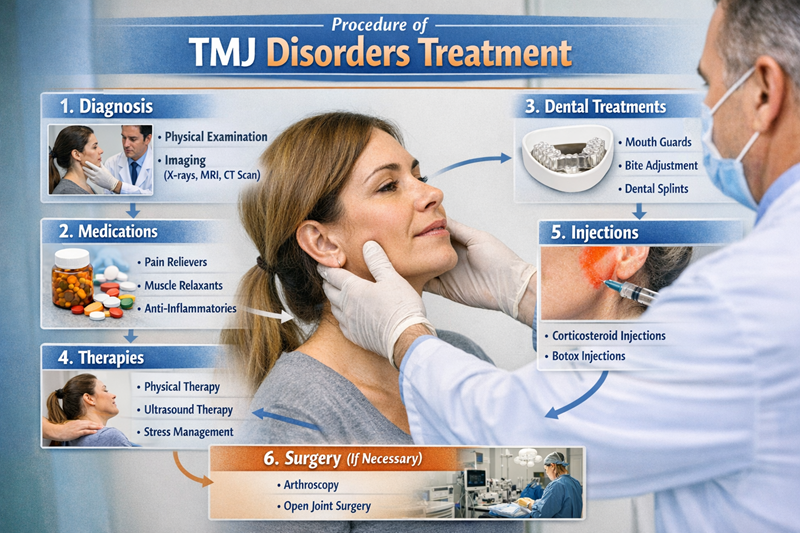
If you wake up with a stiff jaw, experience persistent headaches, or wonder why your jaw pops when you chew, you are not alone. Millions of adults suffer from temporomandibular joint (TMJ) dysfunction without realizing that their daily facial pain, neck tension, and earaches stem from a misaligned jaw bite.
Ignoring early warning signs can lead to permanent joint wear, cracked teeth, and chronic nerve irritation. This guide outlines the root causes of TMJ pain and explores modern, non-surgical tmj disorders treatment options that restore balance to your smile and your quality of life.
What Is TMJ Dysfunction and Why Does It Cause Pain?
The temporomandibular joint acts as a complex sliding hinge connecting your lower jaw to your skull. Between these bones sits a delicate cartilage disc that absorbs pressure every time you speak, swallow, or chew.
When this joint or its surrounding muscles become overworked or misaligned, a condition known as TMJ disorder (TMD) develops. Because the jaw joint is directly linked to major facial nerves, tension in this area frequently radiates, causing:
-
Chronic tension headaches and neck stiffness
-
Persistent jaw clicking, popping, or grating sounds
-
Sudden episodes of jaw locking (difficulty opening or closing your mouth)
-
Unexplained ear pain or ringing in the ears (tinnitus)
Common Causes of TMJ Pain
A successful tmj treatment plan begins with identifying the physical triggers behind your pain:
1. Chronic Teeth Grinding (Bruxism)
Clenching or grinding your teeth during sleep exerts massive pressure on the jaw joint, causing muscle fatigue, severe facial tension, and tooth enamel erosion.
2. Displaced Jaw Joint Disc
If the protective cartilage disc inside the joint slips out of position, the jaw can no longer glide smoothly. This displacement creates a clicking sensation when opening your mouth and can cause the joint to catch or lock.
3. Misaligned Bite (Occlusion Issues)
When teeth do not fit together correctly due to crowding, missing teeth, or uneven dental work, the jaw muscles are forced to overcompensate. This continuous strain forces the entire joint out of its natural resting position.
Modern Solutions for TMJ Disorder Treatment
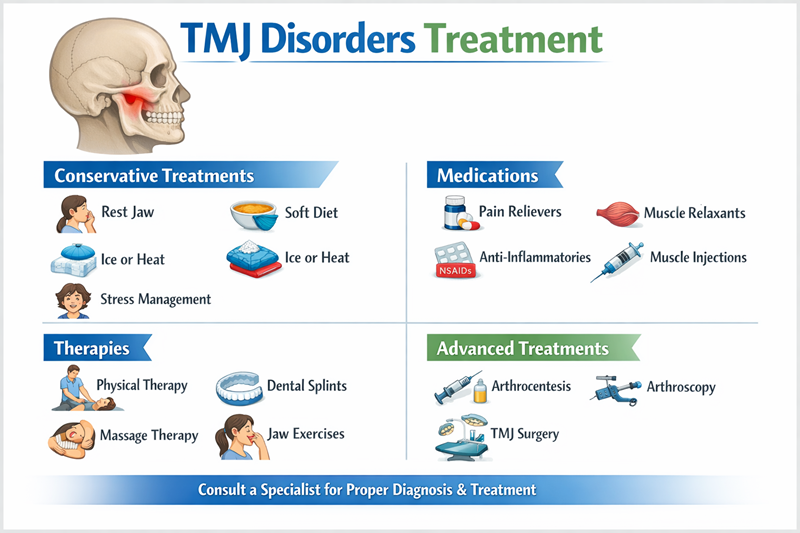
Effective treatment focuses on decompressing the joint, relaxing hyperactive muscles, and stabilizing your bite using non-invasive methods:
-
Custom TMJ Orthotic Therapy: A specialized tmj orthotic (a custom-engineered neuromuscular appliance) holds your jaw in its ideal, stress-free position. Unlike generic drugstore nightguards, an orthotic actively trains your muscles to relax and protects the joint from grinding forces.
-
Neuromuscular Joint Stabilization: By analyzing your bite dynamics with 3D imaging, a tmj dentist can map the exact trajectory needed to balance your jaw and relieve nerve pressure.
-
Long-Term Bite Correction: Once pain and inflammation subside, long-term stability is achieved through minor bite adjustments, restorative dentistry, or clear aligner therapy to keep the jaw permanently aligned.
Frequently Asked Questions
1. How do I know if I need a TMJ orthotic or just a regular nightguard?
Over-the-counter nightguards only protect teeth from physical wear—they often increase clenching by acting as a soft chew toy for the brain. A custom tmj orthotic is a precision medical device designed to realign the jaw joint and relax muscle strain.
2. Can TMJ cause permanent damage if untreated?
Yes. Chronic jaw misalignment can lead to irreversible bone erosion within the joint capsule, severe tooth fractures, and chronic facial neuralgia.
3. How long does TMJ treatment take to provide relief?
Most patients feel noticeable relief from muscle tension and headaches within 2 to 4 weeks of wearing a custom orthotic appliance, with full joint stabilization occurring over 3 to 6 months.
Schedule Your TMJ Evaluation Today
Living with chronic jaw pain, popping joints, or daily headaches is not something you have to accept. Whether you need a specialized tmj dentist folsom, expert tmj treatment roseville, or comprehensive care across the Sacramento area, modern non-surgical solutions can restore your comfort.
Contact our team today to schedule your evaluation and take the first step toward long-term jaw pain relief!
