

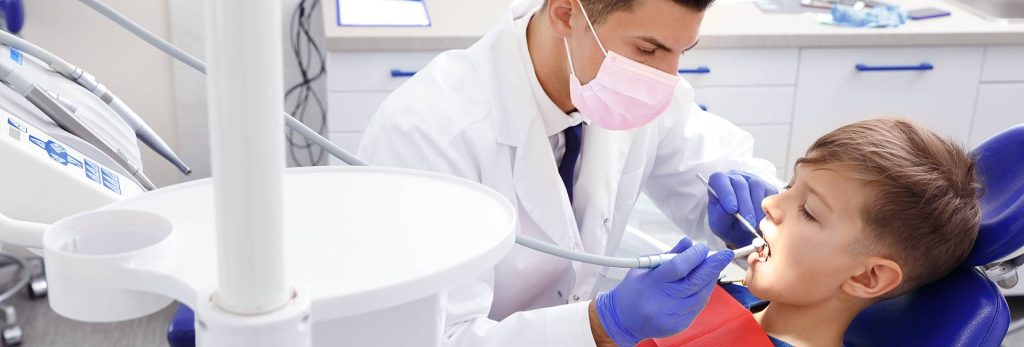
Starting the path toward a straighter smile is a big milestone. Whether you are looking into traditional braces or exploring Invisalign, the goal is a smile that makes you feel confident. However, many patients feel a bit caught off guard when their orthodontist pauses the process to ask for a “periodontal clearance” from a specialist.
This request isn’t just paperwork or a way to delay your progress. It is a vital safety step designed to make sure your teeth stay exactly where they belong: in your mouth.
Moving teeth is a biological process that involves shifting bone and tissue. If that foundation is already struggling with infection or weakness, the results can be devastating. Without a healthy base, the very treatment meant to fix your smile could actually put you at risk of losing teeth.
In this guide, we will look at why this orthodontic check-up is so important, the real risks of starting braces too soon, and how we help you get the green light for your transformation.
What is an Orthodontic Clearance?
An orthodontic clearance is a specialized evaluation performed by a periodontist a dentist who focuses exclusively on the gums and bone. Think of it as a “home inspection” for your mouth before you start a major renovation. The goal is to confirm that your supporting structures are strong enough to handle the physical pressure of braces.
This matters because your teeth and gums work as a team. Teeth aren’t just stuck into your jaw like pegs; they are held by living ligaments and bone that react to every move. If a patient has hidden gum disease, the force of orthodontic wires can turn a minor issue into a major crisis. An orthodontic clearance ensures your treatment is built on a stable, disease-free foundation.
Critical Reasons Why Periodontal Health for Orthodontics is Mandatory
Prevention of Rapid Bone Loss
To move a tooth, the body naturally dissolves a little bit of bone on one side and builds it back up on the other. It is a delicate balance. However, if active bacteria from gum disease are present, the body’s healing system gets confused. Instead of rebuilding, the bone may simply disappear. This leads to loose teeth and permanent damage that braces alone cannot fix.
Managing Inflammation and Tissue Overgrowth
Braces are essentially “plaque magnets.” Brackets and wires make it much harder to brush and floss effectively. If you start your journey with even a little inflammation, the hardware will likely make it worse. In some cases, the gums can become so swollen that they actually grow over the brackets, making adjustments painful and slowing down your overall progress.
Avoiding Recession and Root Exposure
Moving teeth through thin or infected gum tissue can cause the gums to pull away, known as recession. When the root becomes exposed, it doesn’t just look “long”—it becomes incredibly sensitive to cold and heat and is much more prone to cavities. A periodontist checks the thickness of your gums during the clearance. If they are too thin, we might suggest strengthening them before the braces go on.
The Step-by-Step Process of Getting Your Clearance
Getting your clearance is a straightforward process. We want to give you total peace of mind before you make a big financial investment in your smile. Here is what typically happens during your visit:
Digital Imaging: We use high-resolution X-rays to look at the bone levels between your teeth. We need to see a solid “foundation” that can handle the work ahead.
Measuring Gum Pockets: We check the space between your teeth and gums. Deep pockets are a sign that bacteria are hiding where a toothbrush can’t reach, which needs to be cleared up first.
Stability Check: we make sure none of your teeth are already loose. Adding pressure to a wobbly tooth is a recipe for trouble.
The “Green Light” Plan: If everything looks great, we send the paperwork to your orthodontist immediately. If we find a small issue, we treat it, let it heal for a few weeks, and then get you started on your braces.
Common Mistakes to Avoid in Periodontal Care
The biggest mistake many people make is assuming that “no pain” means “no problem.” Gum disease is a quiet condition. By the time it actually hurts, the damage to the bone is usually quite far along. Skipping a clearance or ignoring bleeding gums can lead to your orthodontic treatment failing halfway through.
Another common pitfall is thinking the orthodontist handles the cleaning. During your monthly check-ups, the orthodontist is focused on moving your teeth and adjusting wires. They aren’t performing deep cleanings under the gum line. You still need your regular visits to a specialist or hygienist to make sure plaque isn’t building up behind those wires.(WHO)
Why This Matters in Sacramento, Folsom, and Roseville
Our community in Northern California is active and health-conscious. In the Sacramento and Roseville areas, we are seeing more adults than ever choosing Invisalign or braces. While it is never too late for a great smile, adult patients are more likely to have some history of gum issues compared to teenagers.
Whether you are heading to a meeting in Folsom or hiking on the weekends, you want a smile that is both beautiful and healthy. We work closely with local orthodontists across the region to make sure our neighbors don’t have to choose between straight teeth and healthy gums. We believe the best results happen when the foundation is checked first.
When to Speak With a Professional
If you are thinking about getting braces, or if your orthodontist has already mentioned a clearance, it is best to book an appointment sooner rather than later. You should also reach out if you notice your gums bleed when you brush, if you have persistent bad breath, or if your teeth feel like they are shifting on their own.
Think of a periodontal clearance not as a hurdle, but as an insurance policy for your smile. We are here to support your goals and make sure your teeth stay strong for decades to come.
Frequently Asked Questions
Will the clearance process increase the total cost of my braces?
While the exam is a separate cost, it is a small price to pay compared to the cost of losing a tooth or needing bone grafts later. Most dental insurance plans cover periodontal health for orthodontics as part of your standard benefits. Taking care of this upfront prevents expensive and painful emergencies once the braces are already on.
What happens if my periodontal clearance is denied?
If we can’t give you a clearance right away, it’s not a permanent “no.” It just means your gums need a little help first. Usually, a specialized deep cleaning or a minor treatment to firm up the tissue is all that is needed. Once we see that the infection is gone and your gums are healthy again, we will happily provide the clearance so you can start your braces.
Can I get braces if I have a history of gum disease?
Yes, you definitely can. Many of our patients have successfully completed orthodontic treatment after dealing with gum disease. The key is that the disease must be “stable.” This means there is no active infection and your bone levels are steady. An orthodontic clearance allows us to confirm that your mouth is in a safe state to begin moving teeth without causing further damage.
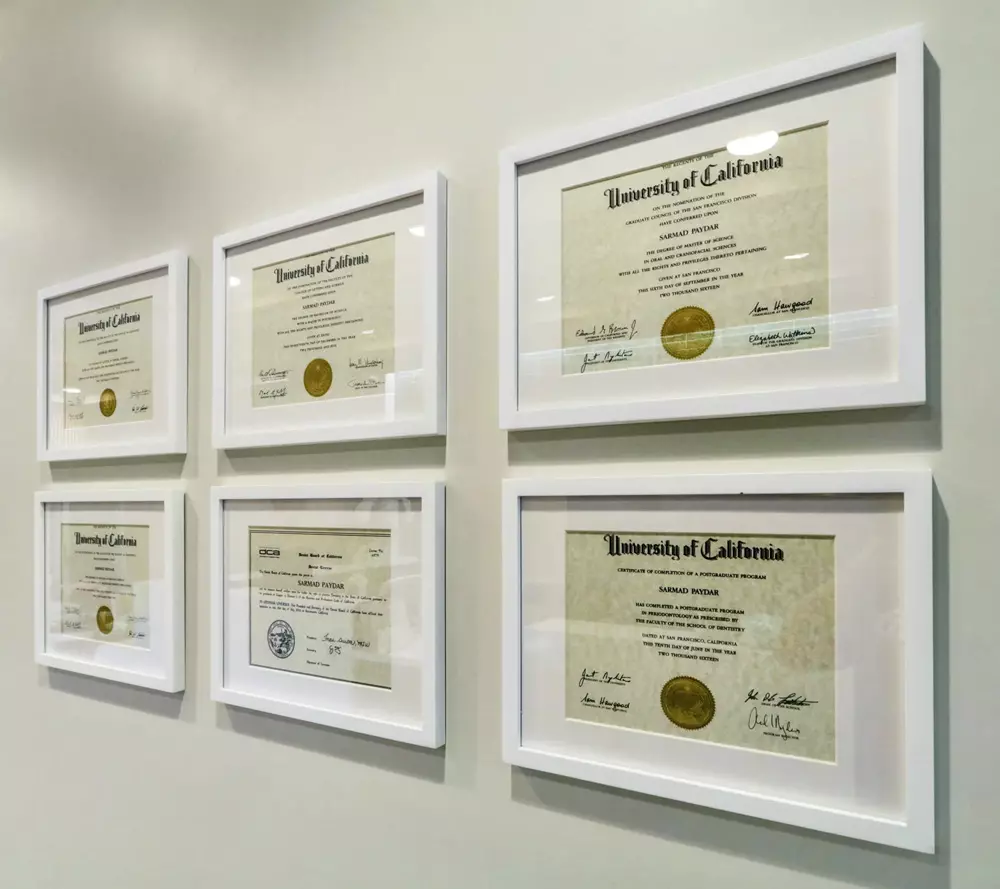
Speak With an Experienced Periodontist Today
Your smile is one of your most important assets. It’s a lifetime investment, and it deserves a healthy start. If your orthodontist has asked for a clearance, or if you are planning to start Invisalign soon, don’t leave your bone health to chance.
At Golden State Dental Co., we take pride in helping families throughout Sacramento, Folsom, and Roseville achieve their best smiles safely. We are experts at protecting the foundation of your teeth. Contact us today to schedule your consultation. Let’s make sure your journey to a new smile is built on a healthy, strong foundation.
