






Diane Cheek
1 year ago
I had a very nice visit. Susan is probably the best hygienist I’ve ever had. I didn’t know the location moved across the street so I was a little late… I met with the doctor and he was wonderful and Janet at the front desk and Sherry are the best people ever working in the dental field. Thank you.

Yvonne Guidi
1 year ago
Golden State Dental. Wow! This was an amazing visit I had. From walking in the door and being greeted so friendly. Everyone that works at Golden State Dental are very compassionate, friendly, professional and make you feel very welcomed. I feel I am in the BEST hands with them working on my teeth!
Thank you
Yvonne
Thank you
Yvonne

Diana Yang
1 year ago
Came here and got my grafting done. I was nervous about the procedure because I just wasn’t very educated about oral care or procedures that support in maintaining oral health. I went several times before making my decision to undergo bone grafting. After conducting personal research and speaking to people in my life, including consulting other oral health practitioners, combined with the informative and educational sessions I had every time I came to an appointment, I had peace of mind to go into surgery.
I am very thankful to Dr Kyu and his team—they answered questions and addressed my concerns with solid answers. In return to my questions and concerns, they also had great bedside manners. I never felt judged or belittled for surfacing my questions and concerns as I have felt from oral care providers from way back in my past. Instead, they were very kind in educating me, bringing me up to speed at my pace of understanding, especially in what I did not truly understand about oral care and about the structure of my mouth and teeth, where problem areas were, and what signs to look for when flossing and what causes gum issues. They also answered questions I had about the various kinds of existing grafting materials—a concern of mine as it is foreign material going into me. Dr. Kyu addressed my questions with what he knew and with his experience. After vetting this information with people I knew and trusted who also practice oral health care, I felt more comfortable with the idea of getting surgery. I believe this trust grew also to Dr. Kyu and his team at Golden Dental, especially in that they knew what they are doing. As a patient, I just needed to get there myself and their responses to me and my concerns helped so much!
Another thing to highlight: Dr Kyu and his team thoughtfully considered my financial position going into this surgery. As a patient, I felt that I was having this surgery on my timeline and at my behest—not theirs. They have continued to show care to me in this area and these things add up in me going into my surgery with peace of mind and continues to show me they care about me as a person and not just another patient to count and I am grateful for it.
On a note about the surgery: it was painless and my road to recovery so far is going pretty smooth too. I am still being monitored for final recovery. However I will going back soon and look forward to being cared for by Dr. Kyu and his team at Golden Dental!
I am very thankful to Dr Kyu and his team—they answered questions and addressed my concerns with solid answers. In return to my questions and concerns, they also had great bedside manners. I never felt judged or belittled for surfacing my questions and concerns as I have felt from oral care providers from way back in my past. Instead, they were very kind in educating me, bringing me up to speed at my pace of understanding, especially in what I did not truly understand about oral care and about the structure of my mouth and teeth, where problem areas were, and what signs to look for when flossing and what causes gum issues. They also answered questions I had about the various kinds of existing grafting materials—a concern of mine as it is foreign material going into me. Dr. Kyu addressed my questions with what he knew and with his experience. After vetting this information with people I knew and trusted who also practice oral health care, I felt more comfortable with the idea of getting surgery. I believe this trust grew also to Dr. Kyu and his team at Golden Dental, especially in that they knew what they are doing. As a patient, I just needed to get there myself and their responses to me and my concerns helped so much!
Another thing to highlight: Dr Kyu and his team thoughtfully considered my financial position going into this surgery. As a patient, I felt that I was having this surgery on my timeline and at my behest—not theirs. They have continued to show care to me in this area and these things add up in me going into my surgery with peace of mind and continues to show me they care about me as a person and not just another patient to count and I am grateful for it.
On a note about the surgery: it was painless and my road to recovery so far is going pretty smooth too. I am still being monitored for final recovery. However I will going back soon and look forward to being cared for by Dr. Kyu and his team at Golden Dental!

Stephen Carr
1 year ago
Excellent visit this week at Golden State Dental! Jessica is an absolute master at cleaning teeth, especially for someone like me with gum recession and root exposure. She used a newer desensitizing product on my teeth before cleaning (I think it was called Gluma). Worked great, no nerve tweaks with the sonic cleaning tool.
Jessica is super friendly, listens, and educates as she goes! She and her teammate worked so well together!
Kudos to Golden State Dental!
Jessica is super friendly, listens, and educates as she goes! She and her teammate worked so well together!
Kudos to Golden State Dental!

Carol Frezza
1 year ago
Suzanne has been my hygienist for years. She is special in her chair side manner, professionalism and clinical expertise!

joan j
1 year ago
I have been treated by Suzanne and the team at Golden State Dental for the past 5 years and my gum health has never been better. Since I have Dry Mouth Disease, it is imperative for me to keep up on my dental hygiene and seek out the top professionals in the field of gum health so I don’t lose my teeth! Suzanne is incredibly gifted, skilled and knowledgeable about all facets of gum disease. Her impeccable deep cleaning and technique along with her dedication to her patient care has kept my mouth healthy. Suzanne is a miracle worker. She has much knowledge and interest in holistic solutions as well and I have learned so much from her to sustain excellent dental health. I am grateful for Suzanne, Dr. Paydar and all of the outstanding professionals at Golden State Dental.

Michelle Petro
2 years ago
I can’t say enough positive praise for my hygienist Suzanne. She is professional, caring, and extremely knowledgeable. I value her holistic approach to identify the source of gum disease, whether that be nutritional, hormonal, stress, chemical, hygiene care. We have made numerous changes to my brand of toothpaste, vitamin supplement, stress coping techniques, diet, combined with twice yearly periodontist cleanings and have made excellent progress. I look forward to my appointments with Suzanne and appreciate that she welcomes emails for any questions or concerns. She’s a rock star, for sure!

Teresa Ambrocio
2 years ago
Ms.Suzanne is nothing short of a miracle worker when it comes to dental care. I walked into the office feeling hopeless about my teeth, convinced there was little that could be done. But she completely turned the situation around. With her exceptional skill, dedication, and attention to detail, she worked tirelessly to save my teeth, transforming what seemed like a lost cause into a success story. Not only is she a true professional, but her warmth, compassion, and patience made me feel comfortable every step of the way. It’s rare to find someone who combines technical excellence with such a personal touch. I am beyond grateful for the care she provided, and I can’t recommend her enough. Ms. Suzanne truly goes above and beyond, delivering amazing results with heart and expertise! I would definitely recommend her. Also, special thanks to Dr.Gordon and his assistant, Dr.Paydar, and the staff of GoldenState Dental!

Lana Shinoo
2 years ago
My mother has a couple of missing teeth and here is her experience to share.
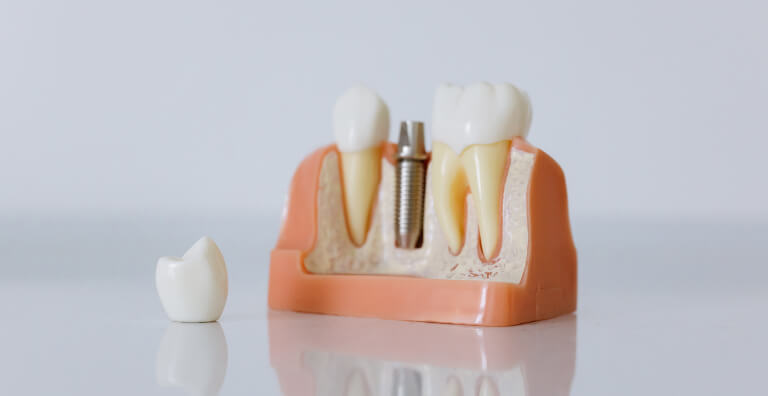
My name is Vilma youhanna.I strongly recommend golden state Dental for all type of implant treatment.Dr.Paydar did such an outstanding job,very nice and professional crew are working in this location.Thank you very much for helping me.
My name is Vilma youhanna.I strongly recommend golden state Dental for all type of implant treatment.Dr.Paydar did such an outstanding job,very nice and professional crew are working in this location.Thank you very much for helping me.

Jen Feist
2 years ago
Dr. Paydar and his staff are amazing! I was referred to his office as I needed bone grafting surgery due to periodontal disease. I was terrified to undergo surgery but they set my mind right at ease. I never had any pain at all and recovered quickly. I now have healthy gums and I have Dr. Paydar to thank!!! I HIGHLY recommend Golden State Dental!! Thank you so much, Dr. Paydar and staff! Happy patient…Jen

lovelycua
2 years ago
I was referred for an implant back in Dec 2023. I got it placed in May 2024. The office has made it really easy to reach out with any questions and concerns. I was experiencing some odd things with the implant, and Dr Paydar reached out and saw me immediately. Dr Kyu Lee is wonderful and put my mind at ease with the whole experience. The front staff is welcoming and attentive. The dental assiatsnces are very friendly.

Eric Brunius
2 years ago
I came to know of Golden State dental in a state of distress. I had a 20+ year old implant that was failing and infected. The staff was welcoming, professional and responsive. I had surgery to attempt to save the implant and stop the infection which has shown to be successful. After a few follow up visits and monitoring by the doctor, it really makes it apparent how caring and sincere they are of their patients. I am very grateful

Anne Moody
2 years ago
Dr Paydar saved my front tooth!
I would highly recommend him.
I would highly recommend him.

DP King
2 years ago
I am so happy with the results Dr. Paydar was able to achieve for me! I had a gum infection that caused bone loss and a precarious situation for my teeth. Dr. Paydar got rid of my gum infection and restored the bone loss. Dr. Paydar saved my natural teeth because of his skill dealing with my gum disease.
In addition, he has a positive and reassuring demeanor, that makes apprehensive patients (such as myself) feel like there is hope, and they are in good hands.
I highly recommend Dr. Paydar. He also has wonderful and competent assistants and office staff, as well.
In addition, he has a positive and reassuring demeanor, that makes apprehensive patients (such as myself) feel like there is hope, and they are in good hands.
I highly recommend Dr. Paydar. He also has wonderful and competent assistants and office staff, as well.

Benjamin Pav
2 years ago
I went to Golden State Dental in Folsom and was very impressed with the kindness of the entire staff. Dr. Paydar had a very calming and reassuring way about him and so did everyone else I saw. The pricing was transparent and I felt like I was in good hands. If you need a dental implant I wouldn't hesitate contacting them!

Matthew Roy
2 years ago
I have had two gum grafts and get regular periodontal maintenance with Golden State. I don’t know where I would be without Dr. Paydar and his amazing staff! I have been seeing him for the last 6/7 years and wish I could give them 10 stars. Everyone is so friendly and it’s nice being in a state of the art and soothing facility.
Dr. Paydar has a great demeanor and excellent bedside manner. I couldn’t be more calm and comfortable having these procedures done with Dr. Paydar. You can’t go wrong with Golden State!!!
Dr. Paydar has a great demeanor and excellent bedside manner. I couldn’t be more calm and comfortable having these procedures done with Dr. Paydar. You can’t go wrong with Golden State!!!

Lilly Prokopchuk
2 years ago
Dr. Paydar and the team at Golden State Dental truly exceeded my expectations. I recently had aesthetic crown lengthening on my upper 6 teeth, and the results are absolutely stunning. The procedure was not only painless but also remarkably quick, and the recovery was a breeze. The office itself is beautiful, and the staff were incredibly helpful throughout the entire process. I couldn't be happier with my experience and highly recommend Dr. Paydar and Golden State Dental for anyone considering similar procedures. Happy patient, Lilly P.